Aluminum Recycling for Contractors, Electricians, and Fabricators
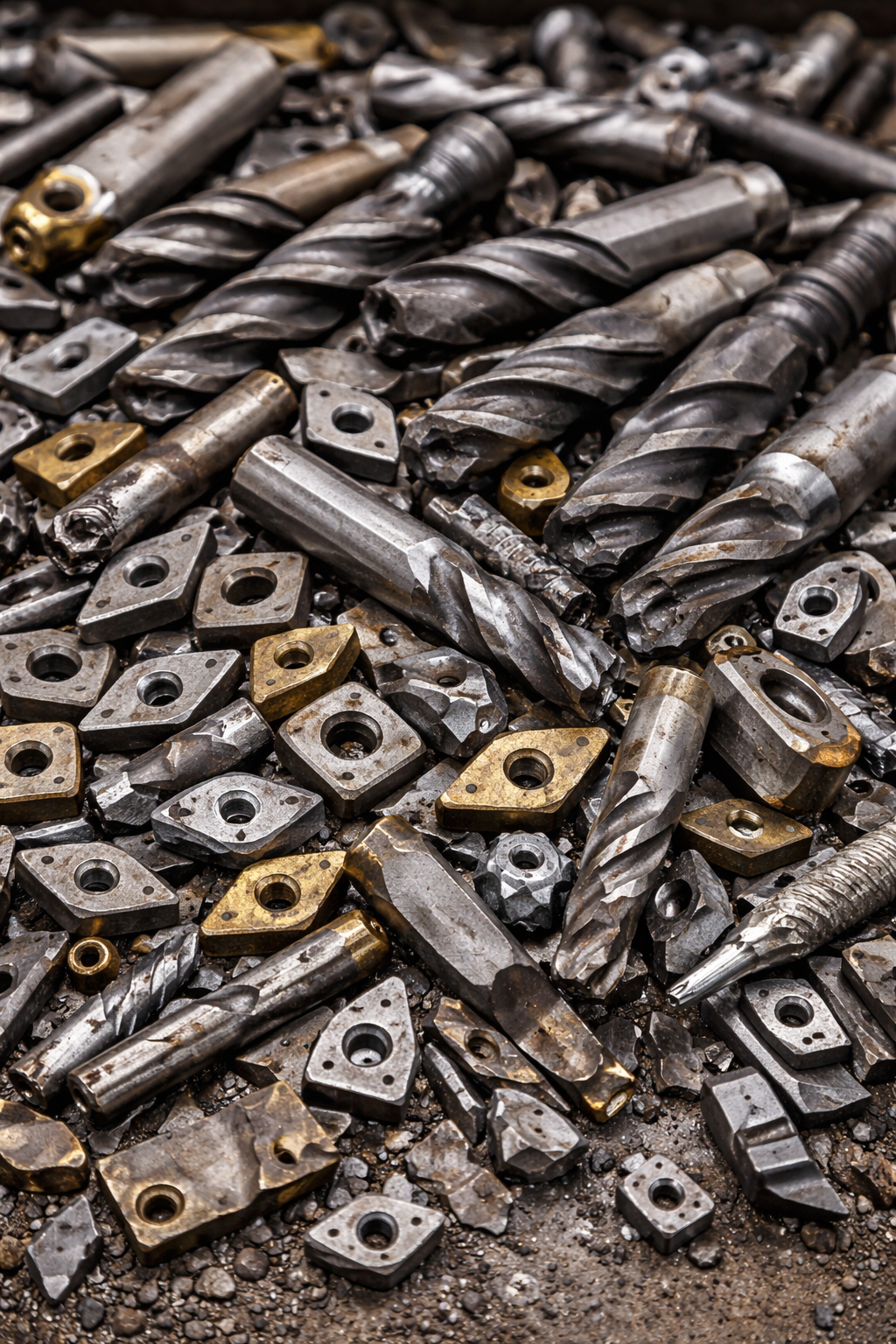
Aluminum recycling Maryland services can help contractors, electricians, fabricators, and commercial shops turn leftover aluminum into a more organized recycling process. Scrap aluminum may not always look as valuable as copper or large steel, but it can add up quickly when it comes from jobsites, fabrication work, repairs, exterior projects, and recurring shop waste.
Think about a contractor finishing an exterior renovation. There may be aluminum siding pieces, trim offcuts, old gutters, and light metal scraps left behind. At the same time, a fabrication shop may have production waste from cutting or shaping aluminum extrusions. An electrician may come across aluminum wire or metal pieces during certain upgrades. If all of that material gets mixed with trash, cardboard, wood, or construction debris, it becomes harder to handle and easier to overlook.
Maryland Recycle helps trades and businesses keep scrap aluminum separate, understand accepted materials, and recycle jobsite or commercial scrap through practical metal recycling services.
Why Scrap Aluminum Matters for Busy Trades
Scrap aluminum often shows up in small pieces, which is why it can be easy to overlook during a busy workday. A few siding cutoffs, trim pieces, aluminum wire, gutter sections, or fabrication offcuts may not feel like a major load on their own. But for contractors, electricians, fabricators, and commercial shops, those small pieces can add up across several jobs.
Think about an exterior contractor removing aluminum siding from one property, then collecting gutter pieces and trim from another project later that week. A fabrication shop may create aluminum offcuts every day during production. A maintenance team may replace metal panels, frames, or lightweight parts during routine repairs. Separately, each pile may look minor. Together, they can become a steady commercial metal recycling opportunity.
The key is to separate the aluminum before it gets mixed with trash, cardboard, wood, or construction debris. Once scrap aluminum is buried in a general cleanup pile, crews may lose time sorting it later or miss material that could have been recycled.
For busy trades, a simple routine makes the difference. Keeping aluminum in a marked container, placing production waste in one area, and asking about accepted materials before larger loads can help protect aluminum scrap value and make recycling easier.
Aluminum Materials Contractors May Be Able to Recycle
The exact materials accepted can depend on the condition, type, and preparation of the scrap, so it is always smart to ask Maryland Recycle before bringing in a larger load. Still, many trade and commercial projects can produce aluminum that may be worth setting aside.
Common aluminum recycling materials may include:
- Scrap aluminum offcuts from jobsites or shop work
- Aluminum siding, trim, gutters, and exterior pieces
- Aluminum extrusions, frames, and lightweight structural parts
- Aluminum wire or related materials when accepted
- Production waste from fabrication or repair work
Keeping these materials separate from mixed trash makes the metal recycling process easier. It also helps crews recognize aluminum as material with recycling potential, not just leftover project debris. Learn more about responsible disposal through our Aluminum Recycling Service Page.
How to Sort Scrap Aluminum Before Recycling
Sorting aluminum does not need to slow down the job. The goal is to keep the load clean enough to review and safe enough to handle. A contractor does not need a perfect system, but crews should know where aluminum goes before the jobsite cleanup starts.
The easiest approach is to keep aluminum separate from steel, copper, brass, trash, and construction debris as the work is happening. Small offcuts, aluminum wire pieces, or loose trim can go into a bin or container so they do not scatter around the jobsite or shop. Larger or sharper pieces should be stacked in a safe loading area where crews can move them without blocking walkways, trucks, or equipment.
It also helps to remove obvious non-metal materials when practical, such as plastic, cardboard, wood, packaging, or debris attached to the scrap. The cleaner the aluminum load is, the easier it is for the recycling center to review. If the business has a larger load or is unsure whether certain aluminum materials are accepted, it is better to ask Maryland Recycle before bringing everything in.
What to Keep Out of an Aluminum Scrap Load
Not everything from a jobsite or shop area belongs in an aluminum recycling load. When aluminum is mixed with wood, plastic wrap, broken pallets, insulation, regular trash, or other construction debris, the load becomes harder to handle and review.
For example, a siding crew may remove aluminum trim along with nails, old caulk, packaging, and pieces of wood. A fabricator may have aluminum offcuts near cardboard, plastic strapping, or shop trash. Taking a few minutes to separate the metal from obvious non-metal materials helps keep the recycling process cleaner.
This also protects work areas. When scrap is sorted as the job moves forward, crews are less likely to leave loose metal in walkways, trucks, shop corners, or loading areas. For businesses that generate aluminum often, cleaner separation can make commercial metal recycling feel like part of the normal workflow instead of a last-minute cleanup problem.
When Pickup Options May Make More Sense
Some businesses prefer to bring scrap aluminum in themselves, especially when the load is small. But pickup options can make sense when aluminum scrap becomes recurring, bulky, or difficult to store.
A contractor may need pickup after a siding or exterior renovation creates a larger pile of aluminum. A fabrication shop may want to clear production waste before it takes over floor space. A commercial property team may need help removing metal from maintenance or renovation work. In those cases, waiting too long can create storage issues and make the cleanup more stressful.
For businesses with ongoing scrap, pickup can support a better workflow. Instead of letting material sit in corners or loading areas, teams can keep aluminum separated until it is ready for service.
How Maryland Recycle Supports Commercial Metal Recycling
Maryland Recycle helps contractors, electricians, fabricators, HVAC shops, maintenance teams, and commercial customers recycle aluminum and other metals from jobsites, shops, and recurring work. Whether the material comes from siding, wire, extrusions, production waste, or mixed commercial scrap, separating it early makes the process easier.
For businesses, aluminum recycling is not just about clearing space. It is about building a smarter routine for material that appears again and again. When crews know where scrap aluminum goes, the shop stays cleaner, jobsites are easier to close out, and useful metal is less likely to be treated like regular waste.