Replacing HVAC equipment in Maryland? A guide to recycling the metal scrap
An HVAC replacement can leave behind more than an old heating or cooling unit. Depending on the equipment and the scope of the work, the project may also produce copper tubing, coils, electrical wire, motors, steel panels, and metal supports.
Those materials should not automatically disappear into the general cleanup load. Some may be suitable for scrap metal recycling, but the right next step depends on the equipment’s condition, the materials present, and the receiving facility’s requirements.
For Maryland homeowners, HVAC contractors, and property managers planning a replacement before winter, arranging the recycling process before removal can prevent unnecessary storage and last-minute transportation problems.
What metal from an HVAC replacement can be recycled?
HVAC equipment can contain several recyclable metals within the same assembly. That does not mean the entire unit will be accepted in every condition or that every component receives the same classification.
Start by describing the equipment and any materials already removed by the contractor. Maryland Recycle can discuss the load and help you determine which recycling options to explore.
Copper tubing and copper-bearing components
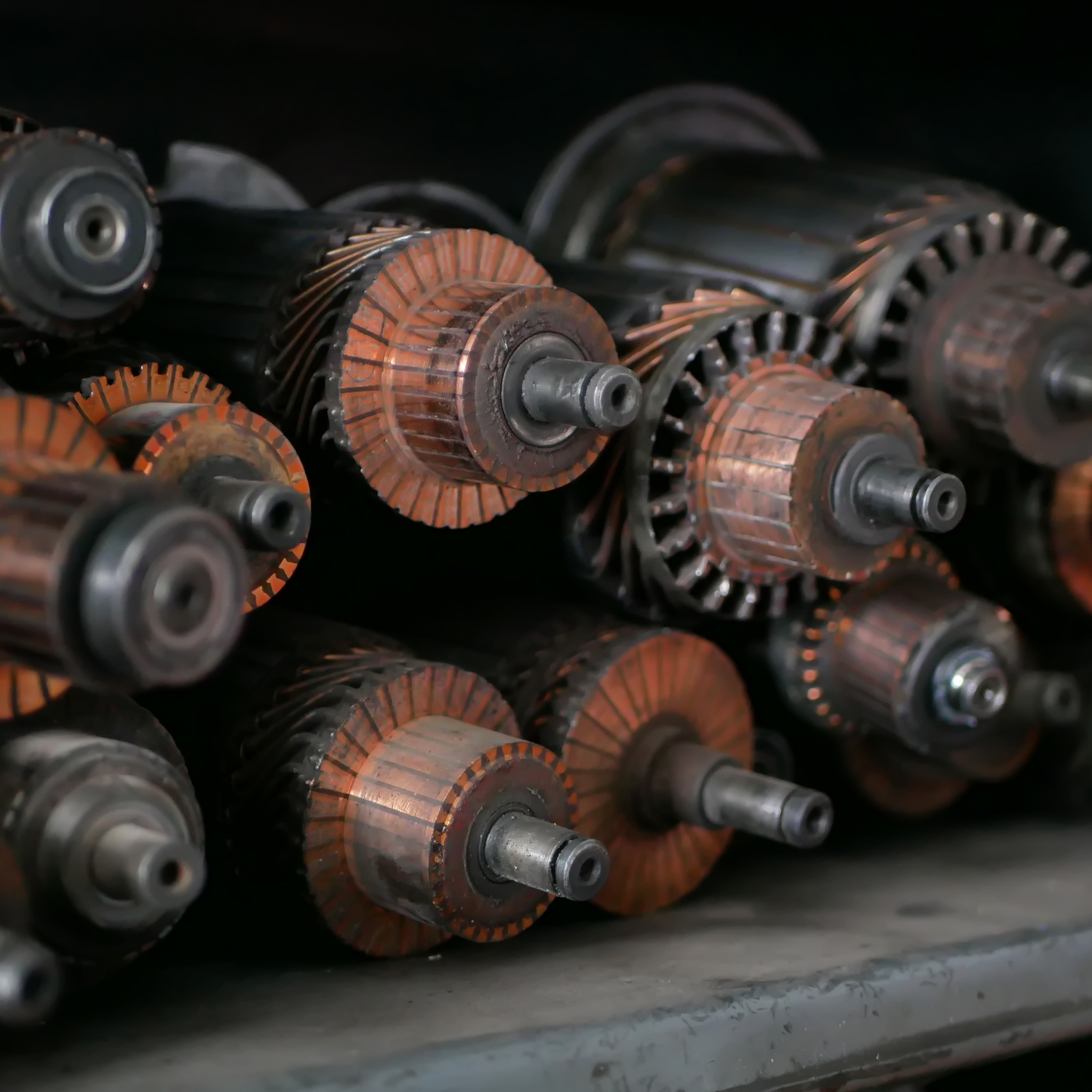
Copper tubing may be recovered during heating, cooling, and refrigeration work. Its condition matters: clean tubing, tubing with soldered connections, and material with attachments may be evaluated differently.
Maryland Recycle’s copper recycling service covers multiple copper categories and identifies HVAC equipment and refrigeration coils among common sources of copper.
If the replacement produces loose tubing alongside other components, keep it identifiable rather than burying it beneath equipment panels and general debris.
Copper and aluminum coils
Cooling equipment may contain coils combining copper and aluminum. These assemblies differ from loose copper tubing because they contain multiple metals and may also have steel attachments.
Maryland Recycle lists copper-aluminum radiators, including categories with steel ends, on its radiator recycling page.
Ask how your particular coil assembly should be presented. Do not assume it needs to be fully dismantled or that its entire weight will be priced as copper.
Steel housings, motors, and wire
An equipment replacement may also generate steel cabinets, brackets, motors, and electrical wiring. These should be described separately when requesting information about the load.
A pile consisting mainly of steel panels requires a different discussion from a batch of copper tubing and coils. Knowing what you have helps the recycling team review acceptance, handling, and transportation options more accurately.
What needs to happen before refrigerant-containing equipment is recycled?
Equipment containing refrigerant requires preparation beyond ordinary scrap sorting. Refrigerant recovery should be handled by an appropriately qualified HVAC professional before the equipment is dismantled for recycling.
Do not cut refrigerant lines or open sealed components to recover the metal yourself. Coordinate the equipment’s removal and preparation with your HVAC contractor, then confirm the receiving facility’s requirements.
Ask your contractor what the removal service includes
Before replacement day, clarify who will remove the old equipment, who will handle refrigerant recovery where applicable, and who will transport the retired unit.
This matters for homeowners as well as property managers. If equipment removal is already included in the installation agreement, arranging a separate recycling trip may be unnecessary.
If you will retain the equipment or metal components, ask the contractor what condition they will be left in and what documentation may be available.
Confirm acceptance before loading
Tell Maryland Recycle whether you have a complete retired unit, prepared coil assemblies, loose tubing, motors, or a combination of materials.
Ask about preparation requirements and any documentation needed for refrigerant-containing equipment. Sending photos of the unit and its identification label can make that conversation more useful than providing only an approximate weight.
Should you separate the components or leave the assembly intact?
The answer depends on the equipment, the work already completed, and the recycling center’s requirements. Further disassembly is not automatically the most useful option.
For example, an HVAC contractor may already have separate tubing and coil assemblies after completing a replacement. A homeowner may instead have one retired unit awaiting removal. These are different loads and should be discussed accordingly.
Keep already separated materials identifiable
When components have already been safely removed, group similar materials together. Loose copper tubing should remain distinguishable from steel panels, wiring, and other scrap.
This helps the receiving team review the material and reduces confusion about what the load contains. It also allows you to ask more precise questions about individual categories.
Ask before spending time on additional disassembly
Removing every attachment takes labor and may not be necessary for acceptance. Before assigning a crew to dismantle an assembly further, ask whether the work would change its classification or handling requirements.
The aim is to prepare the load appropriately without adding unnecessary work to the replacement project.
Drop-off or commercial pickup: which option fits your HVAC scrap?
Transportation should be considered before the old equipment blocks a driveway, loading area, or workshop.
The appropriate option depends on the material, quantity, available vehicle, and collection location. Pickup availability should be confirmed rather than assumed.
A smaller, prepared load
If a contractor or property owner already has suitable transportation for an accepted load, delivery to a receiving facility may be practical.
Confirm the location, material requirements, and unloading arrangements before dispatching a driver. A city service page does not necessarily indicate that Maryland Recycle operates a physical facility in that city.
For a replacement project in Montgomery County, review scrap metal recycling options for Rockville and contact the team to discuss the appropriate receiving location.
Multiple replacements or recurring contractor scrap
An HVAC business completing several replacements may accumulate materials across different jobs. A property manager replacing equipment throughout a building may face a larger one-time load.
In these situations, commercial metal recycling services provide a starting point for discussing collection needs, material types, and scheduling.
Describe the actual load when asking about service. Whole units, steel housings, coils, motors, and loose tubing may require different handling arrangements.
How is HVAC scrap value determined?
An old unit does not have one universal scrap price. Its recyclable value depends on the materials present, their condition, their classification, and current market pricing.
The full weight of an assembly is not the same as the weight of its copper. Steel, aluminum, insulation, and other components can contribute to that total.
Ask for current pricing based on the material you actually have. Equipment age, size, or original purchase price alone will not provide a reliable scrap estimate.
For contractors with recurring loads, keeping a record of material categories, weights, and payments can make future recycling decisions easier to evaluate.
Related content
Recycling metal from a broader equipment upgrade
If the HVAC replacement is part of a larger facility project, read about steel recycling after commercial renovations and equipment upgrades. It covers additional steel scrap that may arise during changes to equipment and building operations.
Preparing loose copper and other jobsite metals
For projects that also produce plumbing materials, explore what copper wire and plumbing scrap contractors should separate. The guide addresses loose materials that may accompany the retired equipment.
Plan your HVAC scrap recycling before replacement day
Deciding where the retired equipment and metal components will go is easier before removal begins. Confirm responsibilities with your contractor, identify the expected materials, and discuss acceptance and transportation with Maryland Recycle.
Whether you have prepared coils from one replacement or recurring metal scrap from an HVAC business, describing the load clearly helps the team recommend the next step.
Replacing HVAC equipment in Maryland?
Contact Maryland Recycle to discuss your materials, current pricing, and delivery or commercial collection options.