How to Prepare a Mixed Metal Load Before Visiting a Maryland Recycling Center
This guide is for anyone who already has copper, aluminum, steel, wire, and other scrap combined in one load and wants to organize it before drop-off. A practical first sort can make identification, unloading, weighing, and payment more straightforward at a Maryland recycling center.
Start by separating magnetic steel and iron from nonferrous metals. Keep recognizable copper, aluminum, and wire in their own sections, isolate questionable items, and secure loose material for transportation. You do not need to identify every alloy or dismantle every object before visiting the facility.
Have questions about a mixed load or the nearest public drop-off? Visit Maryland Recycle’s contact and locations page before making the trip.
Start by identifying what is in the load
A mixed scrap load may contain plumbing pipe, electrical wire, aluminum siding, steel shelving, appliances, car parts, fixtures, tools, or fabrication remnants. These materials are not all evaluated in the same way.
Before loading the vehicle, group together pieces that appear similar. The objective is not perfect grading. It is to prevent valuable nonferrous material from becoming buried beneath larger steel items or mixed with unrelated debris.
Keep materials you cannot identify in a separate container or section. The recycling center can evaluate them without requiring you to guess.
Use a magnet for the first sort
A magnet offers a simple way to divide a mixed load into two broad categories. When the magnet sticks firmly, the item is likely steel or iron. These are ferrous metals.
If the magnet does not stick, the material may be aluminum, copper, brass, stainless steel, or another nonferrous metal. The test does not identify the exact metal, but it creates a useful starting point.
Some items contain multiple metals. A steel bracket attached to an aluminum frame may attract the magnet even though most of the object is aluminum. Treat the result as a clue rather than a final grade.
Maryland Recycle’s [steel recycling page]([INTERNAL LINK — STEEL PAGE] https://www.marylandrecycle.com/steel) provides examples of ferrous scrap accepted at its facilities.
Why should steel be separated from nonferrous metal?
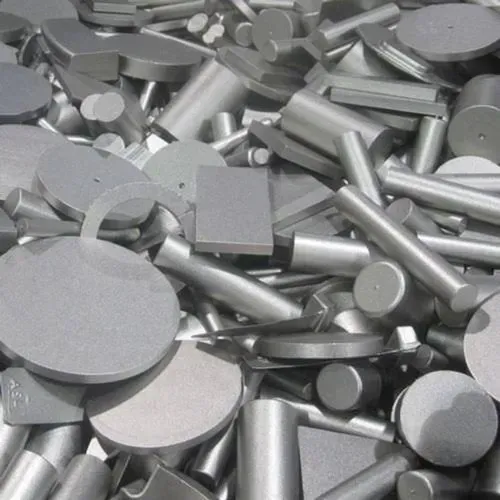
Steel and nonferrous metals are processed and valued differently. Keeping them apart allows each group to be evaluated separately.
This is particularly useful when a load contains large steel items alongside smaller amounts of copper, aluminum, brass, or insulated wire. Those materials can be difficult to locate after everything has been loaded into one pile.
Keep recognizable copper separate
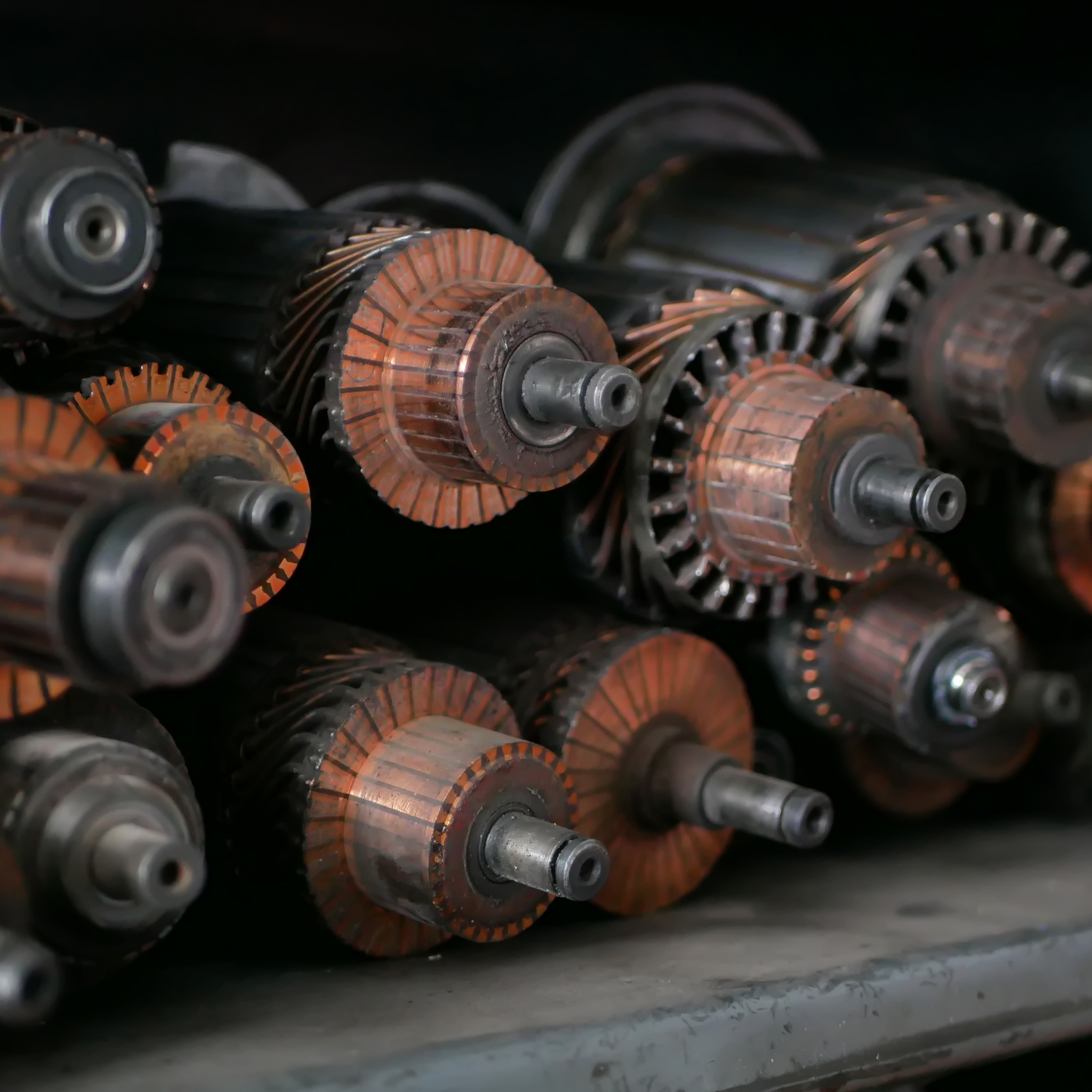
Copper may appear as pipe, tubing, bus bar, electrical wire, roofing material, or components from plumbing and HVAC work.
Clean copper and copper containing solder, oxidation, paint, insulation, or attachments may fall into different grades. Keep clean tubing separate from heavily attached or mixed pieces when that can be done easily.
Avoid burning insulation or using unsafe methods to clean copper. If a coating or attachment cannot be removed safely, leave the material in its existing condition for evaluation.
The copper recycling page explains the types and grades of copper accepted by Maryland Recycle.
Group aluminum by recognizable form
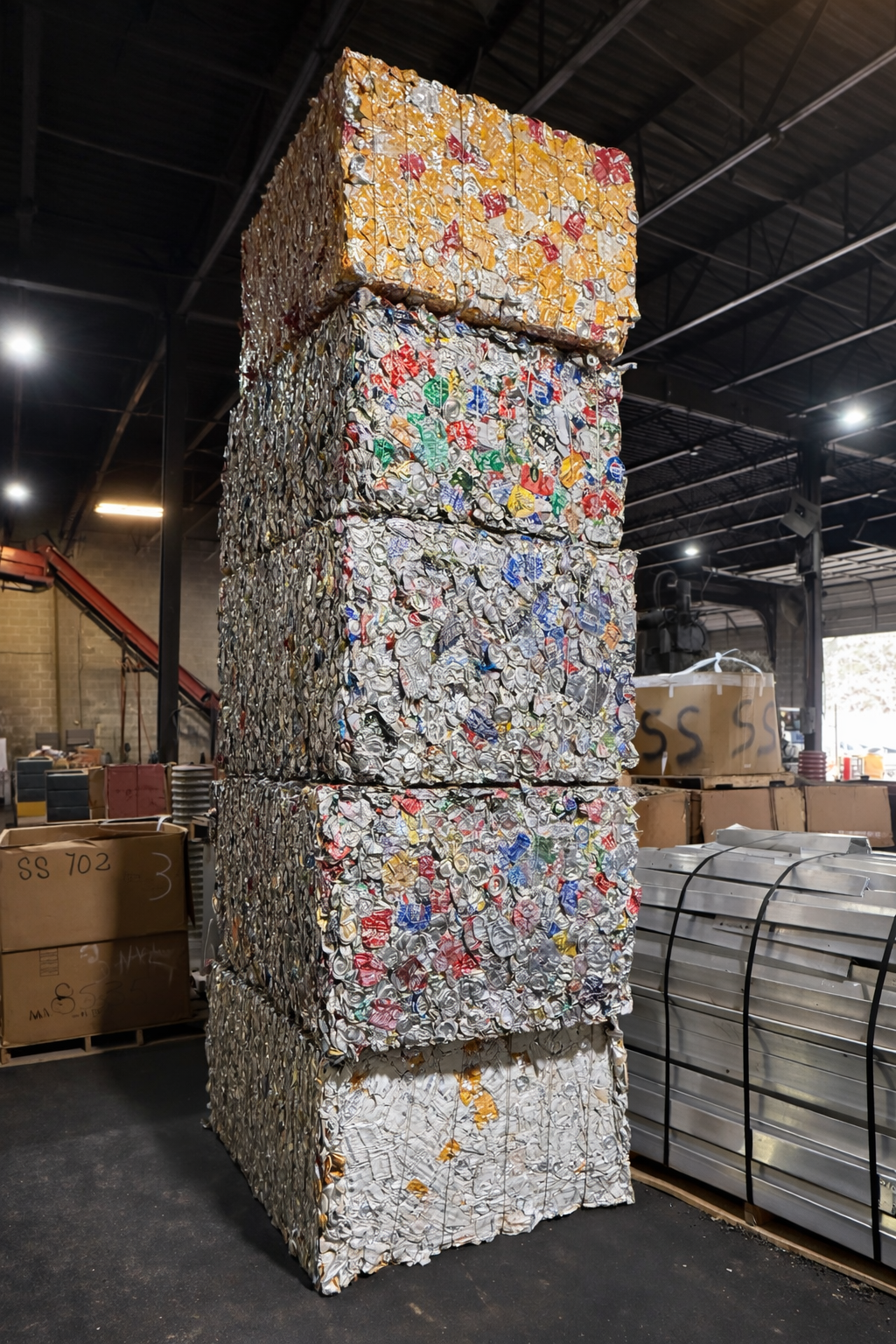
Aluminum scrap can include cans, siding, gutters, window frames, extrusions, cast parts, sheet material, rims, wire, and radiators.
Different forms of aluminum may be classified separately. Keeping recognizable categories apart can make the load easier to review. Steel bolts, brackets, or other attachments may also influence how an item is classified.
Remove an obvious attachment only when the work is safe and simple. Some mixed products do not need to be dismantled by the customer. Maryland Recycle notes that it handles the separation of thermal-break window frames and accepts copper-and-aluminum radiators as their own material category.
Visit the aluminum recycling page for examples of accepted aluminum materials and preparation guidance.
Not sure whether a frame, radiator, wheel, or fabricated piece needs additional preparation? Contact your nearest Maryland Recycle location before spending time dismantling it.
Keep insulated wire visible and organized
Wire can disappear inside a larger scrap load. Place coils, cables, extension cords, harness wire, communication cable, and other insulated wire in a sturdy container or separate section of the vehicle.
Do not burn or melt insulation. Insulated wire can be recycled in its existing form, and its classification may depend on the type of cable and estimated metal content.
Keep short pieces together instead of mixing them with general debris. Secured coils or containers make wire easier to unload and prevent pieces from becoming scattered.
Maryland Recycle lists accepted cable categories on its insulated wire recycling page.
Remove nonmetal material only when safe and practical
Scrap items may contain plastic, rubber, wood, glass, fabric, insulation, fluids, or other nonmetal components. Removing an obvious and easily detached piece may make the material cleaner, but not every item should be dismantled.
Do not cut into sealed equipment, puncture tanks, open pressurized components, or work on appliances containing refrigerant unless the task is being handled by an appropriately qualified person.
According to Maryland Recycle’s metal recycling FAQs, hazardous materials, lithium batteries, and items containing radioactive or toxic substances are not accepted. Contact the facility before loading any item whose contents or requirements are uncertain.
Load the vehicle so materials remain accessible
The way a vehicle or trailer is loaded can affect unloading and evaluation. Place heavy, stable pieces at the bottom and secure the entire load for transportation.
Keep copper, aluminum, wire, and questionable materials accessible instead of burying them beneath steel. Smaller pieces should be placed in sturdy containers so they do not fall out or become scattered.
Avoid closed or unlabeled containers that make the contents difficult to identify. Organizing the load into visible sections allows the recycling team to understand what is being presented without requiring everything to be rearranged first.
Long pieces and sharp edges should not extend unsafely beyond the vehicle. The load must remain within the safe capacity of the vehicle or trailer and comply with transportation requirements.
Do mixed metals need to be completely clean?
Not necessarily. Some dirt, oxidation, paint, solder, fasteners, or attachments may be acceptable, although they can influence the metal’s grade.
Cleaning is most useful when it is safe, simple, and worth the time required. Customers do not need to turn every object into perfectly clean, bare metal.
A practical approach is to remove unrelated debris, separate obvious metal groups, and leave uncertain materials for the facility to evaluate.
What should you bring to the recycling center?
Maryland Recycle’s FAQ states that customers selling scrap metal must bring a valid state-issued photo ID or driver’s license. Sellers must also be at least 18 years old. No appointment is required for public drop-off during business hours. Even so, it is helpful to verify the selected facility’s hours and call about unusual materials before departing.
Maryland Recycle operates several public facilities and a Baltimore location primarily intended for commercial and industrial customers. Choose a location that fits the type and size of your load.
What happens when the load arrives?
At a public drop-off, the recycling team helps unload and weigh the material. Payment is based on current market conditions and the type or grade of metal presented. Materials separated before arrival may be evaluated individually. Items that remain mixed can be classified according to their condition and composition at the facility.
Metal prices change, so permanent copper, aluminum, steel, or wire pricing should not be included in an evergreen article. Contact the chosen location if current pricing will affect the timing of your visit.
Make drop-off easier with a practical first sort
A mixed metal load does not need to be perfectly processed before it reaches the recycling center. Separate magnetic steel and iron from nonferrous material, keep recognizable copper and aluminum apart, organize wire, isolate questionable items, and secure the load for transportation.
This approach protects smaller or more valuable materials from becoming lost in the load. It also gives the recycling team a clearer view of what you brought without requiring you to identify every grade yourself.
Ready to recycle copper, aluminum, steel, wire, or a mixed metal load?
Find a Maryland Recycle location and contact the facility before your visit if you have questions.