What to Do With Old Appliances Instead of Throwing Them Away
Appliance Recycling Options for Homeowners in Maryland
Old appliances take up space quickly, whether they are sitting in a garage, basement, or left over from a recent upgrade. Instead of sending them to a landfill, many homeowners in Maryland are turning to appliance recycling as a practical way to clear out unwanted items while getting value in return. Maryland Recycle helps make this process simple by accepting a wide range of metal appliances and providing an efficient way to handle disposal.
Why Should You Recycle Old Appliances?
Appliances are made up of valuable materials such as steel, copper, and aluminum. Throwing them away not only wastes these resources but also misses the opportunity to recover value from them.
Choosing scrap metal recycling allows homeowners to:
- Free up space in their home or property
- Turn unused items into cash
- Reduce unnecessary waste
- Simplify the cleanup process after upgrades or renovations
Recycling is both a practical and efficient solution for handling old appliances.
What Types of Appliances Can Be Recycled?
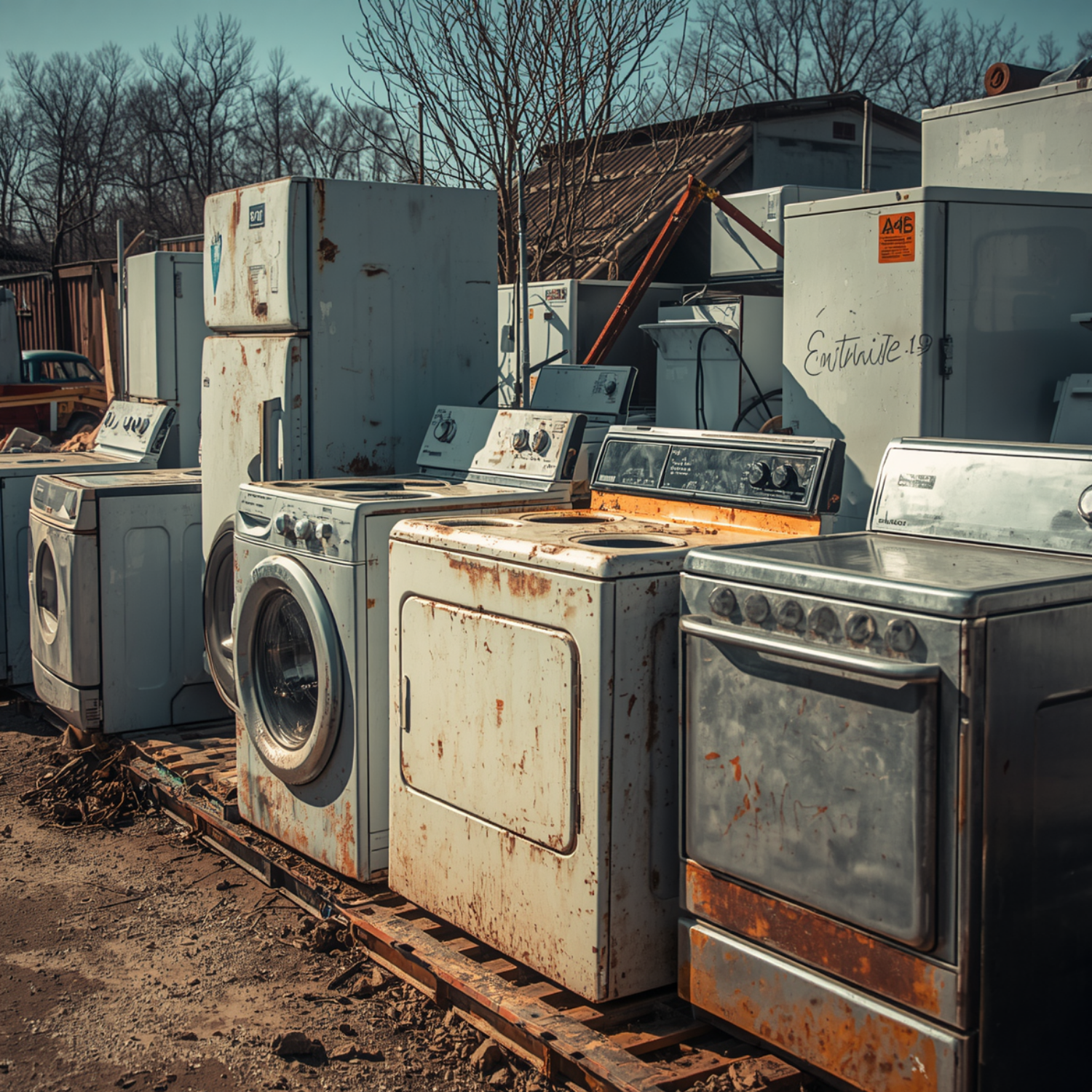
Most household appliances contain recyclable metals and can be brought to a recycling facility.
Common items include:
- Refrigerators and freezers
- Washing machines and dryers
- Stoves and ovens
- Dishwashers
- Air conditioning units
These items are typically processed by an appliance recycling company, where materials are separated and prepared for reuse.
What Should You Do Before Recycling an Appliance?
Before bringing in an appliance, there are a few steps homeowners should take to ensure the process goes smoothly.
Preparation tips include:
- Removing any non-metal components if possible
- Ensuring the appliance is empty and clean
- Disconnecting it safely from power sources
- Checking for any required handling steps for certain units
Taking these steps helps streamline the recycling process and ensures materials can be handled efficiently.
How Does Appliance Recycling Work?
The process is designed to be straightforward. Once appliances are brought in, they are weighed, sorted, and processed based on the types of metal they contain.
Working with a trusted scrap metal recycling company ensures:
- Accurate weighing and pricing
- Safe handling of materials
- Efficient processing of large items
- Immediate value for recyclable metals
This makes it easy for homeowners to turn unwanted appliances into something useful.
When Do Homeowners Look for Recycling Options?
Most people begin exploring recycling after replacing old appliances or completing a home upgrade. It is common to search for "scrap metal recycling near me" when looking for a convenient way to dispose of large items responsibly. Arranging transportation for larger appliances can make the process quicker and easier.
How Can You Maximize Value From Old Appliances?
While appliances are typically recycled for their metal content, there are a few ways to improve the value you receive.
To get the most out of your items:
- Bring in multiple appliances when possible
- Remove easily detachable non-metal parts
- Keep materials clean and dry
- Combine appliances with other scrap metal if available
These steps help ensure you are getting the most from your recycling effort.
Why Recycling Is Better Than Throwing Appliances Away
Disposing of appliances through traditional waste methods can be inconvenient and may involve additional costs. Recycling provides a simpler alternative that benefits both homeowners and the recycling process.
Working with a reliable Maryland metal recycling company allows you to handle disposal quickly while ensuring materials are put to good use.
Making the Most of Appliance Recycling in Maryland
Old appliances do not need to take up space or go to waste. With the right approach, they can be turned into value through a simple recycling process.
Contact Maryland Recycle today to bring in your old appliances and take advantage of a convenient, efficient way to clear out unwanted items while getting paid for recyclable materials.