Copper Recycling: What It’s Worth and How to Prepare It for Maximum Value
Understanding the Value of recycled copper in Maryland
Copper is one of the most valuable materials in the recycling industry, making it a top priority for homeowners, contractors, and businesses looking to turn scrap into cash. In Maryland, demand for copper remains strong due to its use in electrical systems, plumbing, and construction. Maryland Recycle helps customers take advantage of this value by offering a simple and efficient way to handle copper recycling and get paid for usable materials.
Why Is Copper Worth More Than Other Metals?
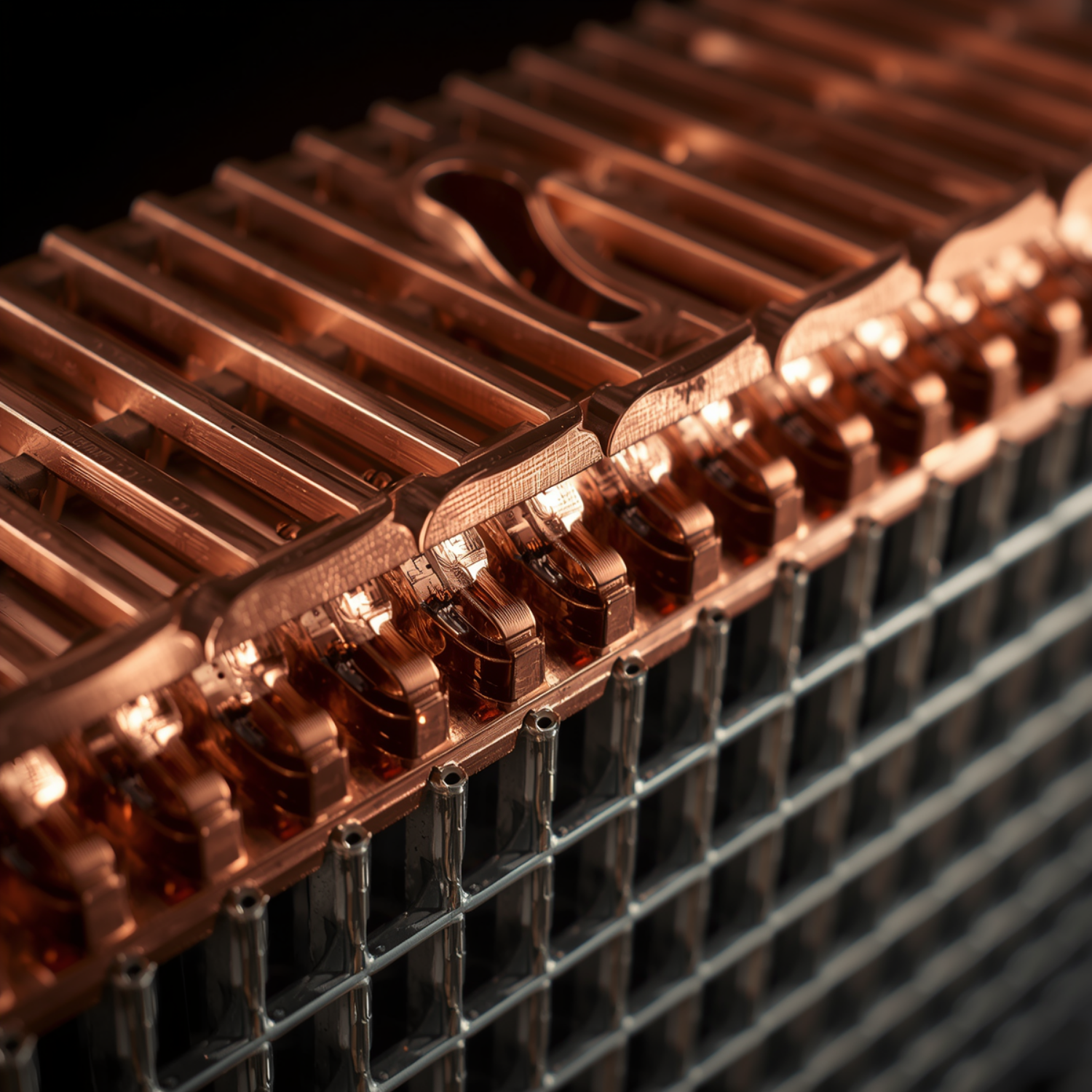
Copper holds higher value than many other metals because of its conductivity, durability, and widespread use across multiple industries. It is essential for electrical wiring, HVAC systems, and plumbing, which keeps demand consistently high.
Unlike some materials, copper can be recycled repeatedly without losing its quality, making it especially desirable in the recycling market.
Where Can You Find Scrap Copper?
Many people are surprised by how much copper they already have access to. It is commonly found in both residential and commercial settings.
Common sources include:
- Electrical wiring and cables
- Copper pipes and plumbing materials
- HVAC components
- Old appliances and electronics
- Roofing and flashing materials
Identifying these sources can help you gather valuable materials that might otherwise be overlooked.
What Affects the Price of Copper?
Copper prices are not fixed and can change based on several factors. Understanding what influences pricing can help you better estimate the value of your materials.
Key factors include:
- Current market demand
- Cleanliness and condition of the copper
- Type of copper being recycled
- Quantity brought in
Working with a reliable copper recycling company ensures you receive fair value based on these conditions.
How Should You Prepare Copper for Recycling?
Proper preparation can significantly impact how much you get paid for your scrap. Clean, separated materials are typically more valuable than mixed or contaminated items.
To prepare copper effectively:
- Remove insulation from wiring when possible
- Separate copper from other metals
- Keep materials clean and dry
- Organize different types of copper into groups
Taking these steps helps improve efficiency and may increase the value of your scrap.
What Types of Copper Are Most Valuable?
Not all copper is priced the same. Some types are more valuable due to their purity and ease of processing.
Higher value copper typically includes:
- Bare bright copper wire
- Clean copper tubing
- Uncoated copper materials
Lower value copper may include insulated wire or mixed materials that require additional processing. Understanding these differences can help you maximize your return.
When Do People Start Looking for Copper Recycling?
Many people begin exploring recycling after completing renovation projects, electrical work, or equipment upgrades. It is common for individuals to search for copper recycling near me when they are ready to bring materials in and get paid. Planning ahead and gathering materials before visiting a recycling facility can make the process more efficient.
How Does Copper Recycling Benefit Homeowners and Contractors?
Copper recycling offers both financial and practical advantages. It allows homeowners to clear out unused materials while giving contractors a way to manage job site waste more effectively.
Working with a trusted scrap metal recycling company helps streamline the process, making it easier to handle both small and large quantities of material.
Why Choosing the Right Recycling Company Matters
Not all recycling facilities operate the same way. Choosing a reliable partner ensures a smooth experience and accurate pricing.
A professional metal recycling company in Maryland provides:
- Transparent weighing and pricing
- Fast processing and payment
- Convenient drop-off options
- Support for both residential and commercial needs
These factors make the process straightforward and efficient.
Making the Most of Copper Recycling in Maryland
Copper remains one of the most valuable materials you can recycle, and understanding how to prepare it properly can make a noticeable difference in what you receive. By identifying sources, separating materials, and working with a reliable recycling partner, you can turn unused copper into real value.
Contact Maryland Recycle today to bring in your copper and get paid for materials that would otherwise go unused.