Bathroom Renovations Can Be Worth More Than You Think: Metals You Should Recycle
A bathroom renovation can leave behind more than tile, drywall, and old fixtures. Many homeowners are surprised to find that the materials removed during a remodel may include recyclable metal, especially copper pipes, brass faucets, shower valves, drain parts, supply lines, and other plumbing scrap.
Picture a homeowner finishing a bathroom remodel. The new vanity is installed, the shower fixtures are updated, and the old materials are sitting in a pile near the garage. At first, everything may look like construction waste. But mixed into that pile could be copper, brass, and other metals that can be separated and brought in for metal recycling instead of being thrown away.
For homeowners, plumbers, and remodelers in Maryland, this small step can make renovation cleanup more organized and less wasteful. Maryland Recycle helps customers recycle bathroom renovation scrap through practical metal recycling services.
Metals You Should Set Aside During a Bathroom Remodel
Not every item from a bathroom renovation needs to be separated, but some materials are worth paying attention to before they get mixed with general debris. Copper and brass are two of the most common metals found in bathroom plumbing and fixtures.
Copper Recycling From Pipes and Plumbing Lines
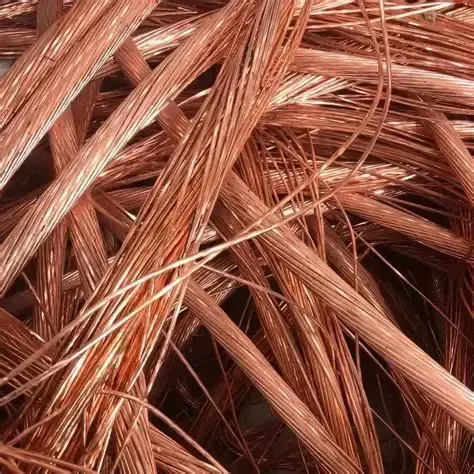
Copper is often found in older bathroom plumbing systems. If your remodel includes replacing pipes, updating supply lines, or opening walls, copper may be part of what gets removed.
Common copper recycling materials include:
- Water supply pipes
- Copper fittings
- Pipe cutoffs
- Removed plumbing lines
- Leftover repair pieces
Even if you only have a small amount, it is smart to keep copper separate. A few pipe sections tossed into a general trash pile can be easy to miss.
Brass Recycling From Fixtures and Valves
Brass is commonly used in faucets, valves, and fittings because it is durable and handles water exposure well. When old bathroom fixtures are replaced, brass pieces can end up mixed with plastic, rubber, or other debris.
Brass recycling may include:
- Bathroom faucets
- Shower valves
- Tub spouts
- Drain fittings
- Shut-off valves
A simple rule for homeowners: if the fixture feels heavy and metallic, set it aside and ask whether it can be recycled.
How to Sort Bathroom Scrap Without Overcomplicating It
You do not need to be a metal expert to prepare bathroom renovation scrap. The goal is simply to separate the obvious recyclable materials before they get buried under tile, drywall, plastic, or general trash.
Before visiting Maryland Recycle, try this simple process:
1. Put copper pipes and fittings in one container.
2. Keep brass fixtures and valves together.
3. Separate tile, drywall, plastic, and trash from the metal.
4. Place mixed plumbing scrap in its own pile.
5. Call ahead if the renovation produced a larger load.
This is especially helpful for homeowners working with a plumber or contractor. Before the job site is cleared, ask them to leave the metal pieces in a separate area so they do not get hauled away with general waste.
Quick Sorting Guide for Bathroom Renovation Scrap
| Material From Bathroom Renovation | Better Option | Why It Helps |
|---|---|---|
| Copper pipes | Keep separate | Easier copper recycling review |
| Brass faucets and valves | Group together | Helps identify brass recycling materials |
| Mixed plumbing scrap | Place in its own container | Keeps metal from getting lost in debris |
| Tile and drywall | Keep out of metal piles | Makes sorting cleaner |
| Larger remodel loads | Call ahead | Helps confirm what to bring |
What Homeowners Often Overlook
One common mistake during bathroom renovations is assuming that only large pieces of metal are worth saving. In reality, smaller plumbing parts can add up, especially when a full bathroom is being gutted.
For example, a homeowner may replace a vanity, shower system, toilet line, and old tub fixtures in one project. At the end, the pile may include copper pipe cutoffs, brass valves, faucet bodies, metal drains, and supply lines. Separately, each item may seem minor. Together, they can become a worthwhile scrap metal recycling load.
The other mistake is waiting until cleanup is finished. Once everything is mixed into bags or a dumpster, it becomes harder to separate. Setting metal aside from the beginning is much easier.
Why Metal Recycling Is a Smart Step After Renovation
A bathroom remodel already requires planning, money, and cleanup. Metal recycling is a small step that can make the project feel more responsible and less wasteful.
For Maryland homeowners, recycling renovation metal can help:
- Reduce the amount of material sent to the landfill
- Keep copper and brass out of mixed debris
- Make project cleanup more organized
- Support responsible scrap metal recycling
- Give old plumbing materials a second use
It is not about making the renovation complicated. It is about noticing what still has value before it gets thrown away.
How Maryland Recycle Helps With Bathroom Renovation Scrap
Maryland Recycle gives homeowners, plumbers, and remodelers a practical way to recycle metals removed during bathroom renovation projects. Whether you have a few fixtures from a small update or a larger pile of plumbing scrap from a full remodel, separating the metal before drop-off can make the process easier.
Maryland Recycle can help with metal recycling, copper recycling, brass recycling, plumbing scrap, and general scrap metal recycling questions. If you are not sure whether something can be recycled, it is better to ask before throwing it away.
Ready to recycle bathroom renovation scrap? Call Maryland Recycle today or request service details before bringing in your materials.
FAQs About Metal Recycling After Bathroom Renovations
What metals can be recycled from a bathroom renovation?
Common recyclable metals from bathroom renovations include copper pipes, brass faucets, shower valves, drain fittings, shut-off valves, stainless steel accessories, and mixed plumbing scrap.
Is brass recycling worth it after replacing bathroom fixtures?
Yes. Many bathroom faucets, valves, and fittings contain brass. It is best to keep brass items separate from plastic, rubber, tile, and general renovation debris when possible.
Should homeowners separate copper before recycling?
Yes. Copper pipes, fittings, and plumbing cutoffs should be separated from mixed scrap when possible. This makes the recycling process cleaner and helps prevent valuable material from being thrown away.