How Businesses Can Organize Scrap Metal Pickup Before It Becomes a Storage
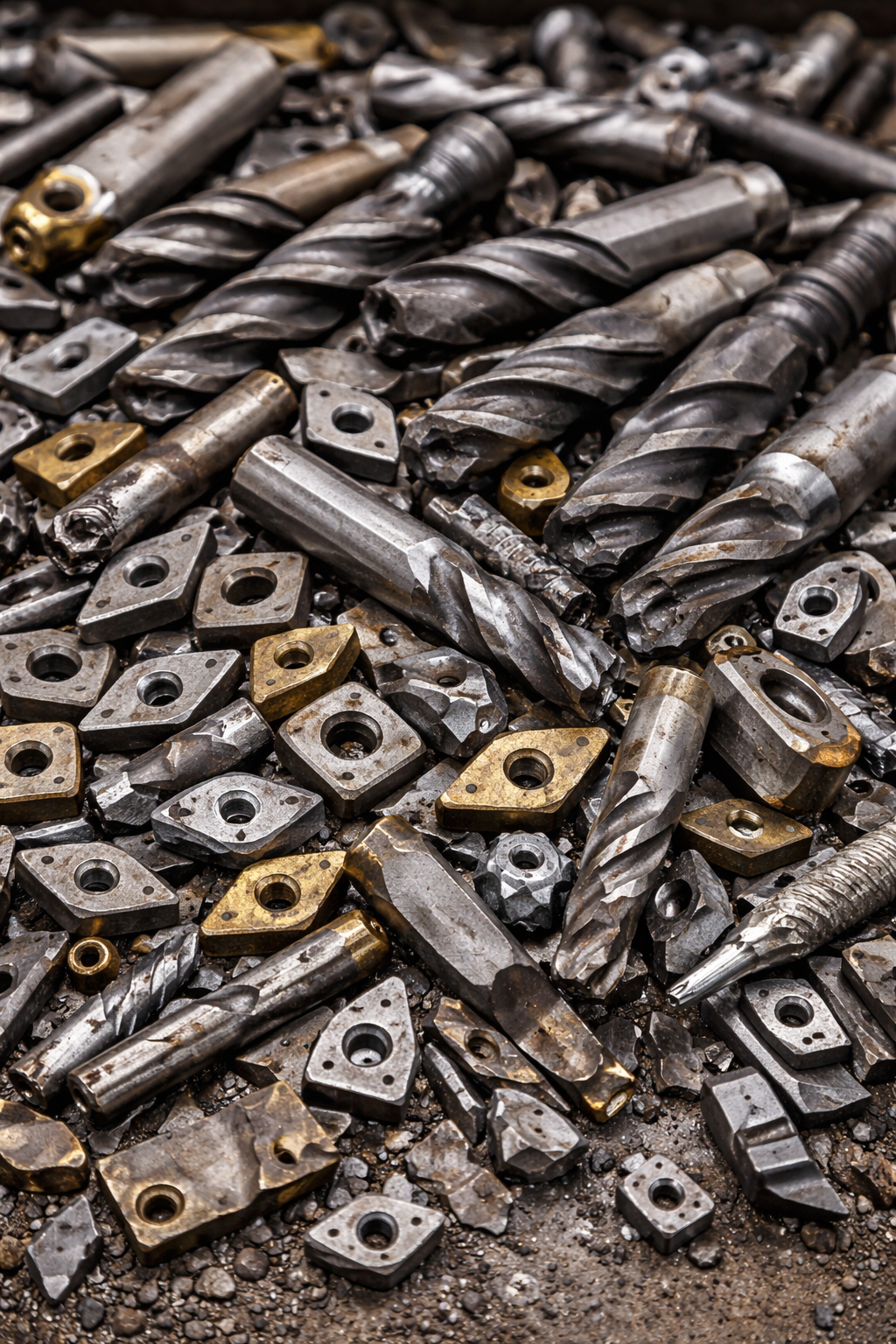
Scrap metal pickup Maryland services can help businesses stay ahead of a common problem: metal scrap that starts small, then slowly takes over storage areas, loading zones, shop corners, or jobsite space. For contractors, warehouses, industrial shops, property managers, and service companies, scrap metal recycling is easier when there is a plan before the material becomes a clutter issue.
Picture a business that sets aside old metal fixtures after a renovation. Then a few pipe sections are added from a repair. A week later, there is leftover steel, aluminum, copper wire, and equipment scrap from another project. At first, it feels manageable. But once the pile blocks access, creates safety concerns, or gets mixed with trash, the business has waited too long.
Maryland Recycle helps businesses organize scrap metal pickup, commercial recycling, and metal recycling services so useful material can move out of the way and into the right recycling process.
Who Needs Scrap Metal Pickup?
Scrap metal pickup can be useful for any business that creates recurring metal waste but does not want scrap to sit around until storage becomes a problem. This can happen in many industries, especially when teams are focused on production, repairs, maintenance, or customer projects.
Businesses that may need pickup include:
- Contractors with jobsite scrap from renovation or demolition work
- Plumbers, electricians, and HVAC shops with recurring metal materials
- Property managers clearing out fixtures, appliances, or maintenance scrap
- Warehouses and industrial facilities with equipment or production scrap
- Businesses that need commercial recycling support for larger loads
For these companies, the issue is not always one large pile. It is the steady buildup of metal over time. A clear pickup plan helps keep the material from getting ignored until it becomes harder to move.
Why Scrap Becomes a Storage Problem
Most storage problems do not start with a dramatic mess. They start with a few items placed “just for now.” A stack of old metal shelving sits near the back door. A bin of scrap copper stays beside the workbench. A few pieces of steel are leaned against a wall after a project.
The problem is that scrap rarely stays in one neat pile. As more material gets added, employees may not know what should be recycled, what should be thrown away, or where the next load should go. Mixed piles can block walkways, take up valuable shop space, and make cleanup more stressful.
This is where scrap metal recycling becomes more than an environmental choice. It becomes an operational decision. When businesses schedule pickup before the pile gets out of control, the workplace stays cleaner, safer, and easier to manage.
How to Sort Material Before Pickup
Sorting does not have to be complicated. The goal is to make the load easier to review, safer to handle, and less likely to include trash or non-metal debris.
A simple sorting routine can include:
1. Keep metal separate from cardboard, plastic, wood, and trash.
2. Group similar materials together when possible.
3. Place small scrap in bins instead of loose piles.
4. Keep sharp or heavy pieces in a safe, accessible area.
5. Ask Maryland Recycle about materials accepted before pickup.
This helps both the business and the recycling center. When scrap is organized, pickup is more efficient and the materials can be handled with fewer surprises.
What to Keep Out of Your Scrap Metal Pickup Load
Not everything in a storage area or jobsite pile belongs in a scrap metal pickup load. Before scheduling service, businesses should take a few minutes to separate metal from general waste, packaging, and non-metal materials. This helps make scrap metal recycling easier, safer, and more efficient.
For example, a warehouse may have metal shelving mixed with cardboard, plastic wrap, broken pallets, and trash. A contractor may have metal pieces mixed with drywall, wood, tile, or insulation after a renovation. An industrial shop may have usable metal scrap stored near equipment parts that need a different handling process.
Keeping the pickup load clean helps the recycling center review materials more easily and reduces delays during removal. It also helps the business avoid treating every cleanup pile like recyclable scrap when only part of it may qualify.
Before scheduling scrap metal pickup Maryland services, businesses should try to keep out obvious non-metal materials such as wood, cardboard, plastic, regular trash, and construction debris. If the team is unsure whether a material can be included, Maryland Recycle can help review materials accepted before pickup.
Safety and Storage Benefits for Businesses
A crowded scrap area can create more problems than many business owners expect. Heavy metal pieces can be difficult to move. Sharp edges can create injury risks. Loose scrap can block access to equipment, storage rooms, dumpsters, or loading areas.
Organized metal recycling services help prevent those problems by giving scrap a clear path out of the workspace. Instead of letting metal sit until someone has time to deal with it, businesses can create a routine for separating and scheduling removal.
This is especially important for industrial recycling customers and companies with active crews. When employees know where metal should go and when it will be picked up, the workplace becomes easier to keep organized. The business also avoids the last-minute stress of trying to clear a large pile before an inspection, delivery, project deadline, or property cleanup.
When to Schedule Scrap Metal Pickup
A business should not wait until scrap is blocking doors or taking over a storage area before asking about pickup. The best time to schedule service is when the material is organized enough to move safely and large enough to justify removal.
For example, a contractor may schedule pickup after several renovation jobs produce mixed metal scrap. An industrial shop may call when equipment parts and production scrap begin taking over floor space. A property manager may need pickup after clearing old appliances, fixtures, or maintenance materials from multiple units.
The right schedule depends on how often the business creates scrap. Some companies may only need occasional pickup after larger projects. Others may benefit from a more consistent commercial recycling routine. Learn more about our Scrap Metal Pickup Service.
How Maryland Recycle Helps With Commercial Recycling
Maryland Recycle helps businesses manage scrap before it becomes a storage, safety, or cleanup problem. Whether your company has metal from renovations, repairs, equipment replacement, industrial recycling, or recurring maintenance work, the right pickup plan can make the process easier.
The team can help businesses think through what materials may be accepted, how to separate scrap, and when pickup may make sense. Instead of waiting for metal to pile up, companies can contact Maryland Recycle and create a more practical recycling routine.