What shapes commercial metal recycling in Baltimore and Rosedale?
Commercial metal recycling can involve anything from recurring manufacturing scrap to material generated during construction, demolition, equipment replacement, or property cleanup.
The size of the pile does not determine the entire scope. Material type, separation, volume, service frequency, loading conditions, site access, and transportation all influence how a recycling program should be organized.
Maryland Recycle provides commercial scrap metal recycling for businesses, contractors, manufacturers, demolition crews, and other organizations handling recyclable metal in the Baltimore and Rosedale area.
Understanding the following factors can help a business prepare accurate information and select an appropriate service arrangement.
Material type is the starting point
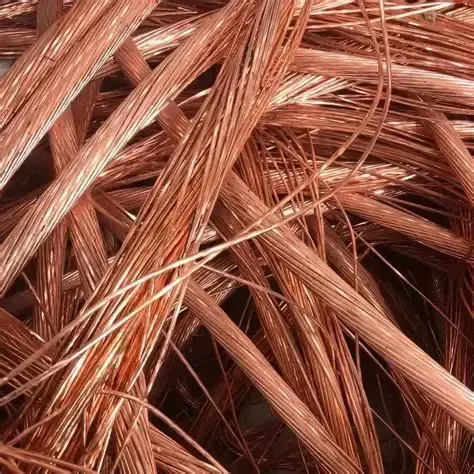
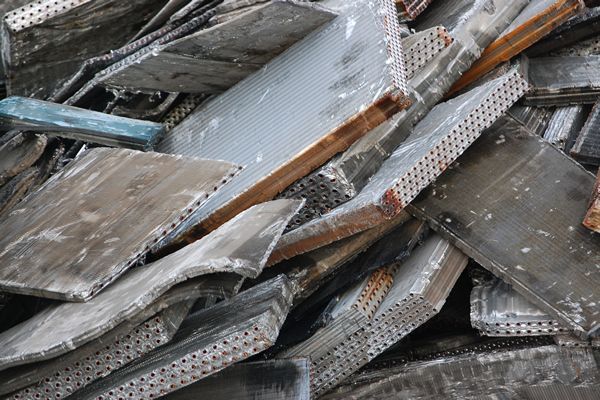
A commercial load may contain steel, stainless steel, aluminum, copper, brass, wire, electric motors, machinery, or several types of metal from the same operation.
These materials are not necessarily handled or valued in the same way. A load of fabrication offcuts presents different requirements from old equipment, plumbing material, demolition scrap, or insulated wire.
Before requesting service, identify the materials as specifically as practical. Photographs, approximate dimensions, and information about where the scrap came from can help the recycling company understand the load. If the material is difficult to identify or contains attached components, confirm requirements before placing everything into one container.
Volume and frequency affect the service plan
A one-time equipment replacement may generate a large amount of metal over several days. A machine shop or manufacturing facility may produce smaller quantities continuously. Construction and demolition projects can create fluctuating volumes as different phases are completed.
The recycling plan should reflect how quickly the material accumulates and how much space is available.
Useful information includes:
- Estimated volume or weight
- Largest individual pieces
- Types of metal being generated
- Expected project duration
- Frequency of requested pickup
- Whether future loads are likely
Recurring businesses may benefit from scheduled service, while a short-term project may require a container or pickup tied to specific milestones.
Sorting can change the handling and value of the load
Metal that remains easy to identify is generally simpler to review than material buried beneath trash, wood, plastic, insulation, concrete, or unrelated construction debris.
Sorting does not always require an elaborate jobsite system. It may mean keeping copper separate from steel, placing aluminum in a dedicated area, or preventing recyclable metal from being mixed into an ordinary waste dumpster.
Maryland Recycle’s guide to preparing a mixed metal load offers additional guidance for businesses handling several metals.
Preparation requirements can vary by material. Confirm questionable items before cutting, dismantling, or combining them with the main load.
Drop-off, roll-off, and pickup services fit different needs
The amount and type of scrap help determine whether the business should deliver the material or arrange collection.
Businesses capable of safely transporting manageable loads may use an appropriate Maryland Recycle facility. Larger projects or ongoing operations may need on-site collection.
Maryland Recycle provides roll-off recycling containers designed specifically for scrap metal. The service can include container delivery, filling during the project, pickup, weighing, and payment based on the processed material.
The company also describes a mobile box truck option for qualifying nonferrous metals such as copper, aluminum, brass, and stainless steel. Because each service has different material and volume requirements, confirm eligibility before scheduling.
Planning a commercial metal recycling project in Baltimore or Rosedale?
Contact Maryland Recycle to confirm the materials, estimated volume, service location, and most suitable collection option.
Container placement requires site planning
A roll-off container needs an accessible, stable placement area with sufficient room for delivery and pickup.
Before scheduling, review gates, overhead clearances, parked vehicles, loading areas, employee traffic, customer access, and any property restrictions. The service provider should know whether the site has limited operating hours or requires coordination with security or property management.
The container should also support the jobsite workflow. Placing it too far from the work can increase unnecessary handling. Placing it in an active traffic route can interfere with operations. For longer projects, discuss how quickly the container may fill and how replacement or pickup requests should be communicated.
Material preparation can influence the project scope
Large, unusually shaped, or attached pieces may require additional planning before they can be loaded or transported.
Do not assume machinery, tanks, cylinders, equipment, or sealed components can be accepted without review. Some items may contain liquids, nonmetal materials, or other components that require separate handling.
Businesses should describe these conditions before service begins rather than waiting until a driver arrives. Clear information helps determine whether the material fits the planned container, vehicle, and receiving location.
Maryland Recycle can also help identify material when a business is uncertain about part of the load.
Market conditions are only one part of the financial outcome
Scrap metal values can change with the market, but published or assumed prices do not tell a business exactly what a mixed commercial load will produce.
The final result may depend on material classification, weight, preparation, contamination, transportation, container service, and other project-specific conditions.
Maryland Recycle states that its roll-off program typically deducts the applicable service fee from the material value and pays the customer for the remaining scrap value. Businesses should confirm how weighing, service costs, and payment will be handled for their specific arrangement.
A useful comparison should examine the complete recycling plan, not only an estimated per-pound figure.
Choose the correct Baltimore-area facility
Maryland Recycle operates two nearby facilities with different customer profiles.
- The Baltimore commercial location at 7921 Philadelphia Road is identified as commercial only and supports large-scale commercial and industrial recycling.
- The Golden Ring location in Rosedale at 8920 Yellow Brick Road provides commercial and retail metal recycling services.
Location selection can depend on the customer type, material, load size, and service arrangement. Call before sending a driver when the load is large, mixed, unusual, or connected to recurring business service.
Build the recycling plan around the actual operation
The most efficient commercial program begins with accurate information about the material and the site.
Identify what the business generates, estimate how quickly it accumulates, determine whether separation is practical, and explain any access restrictions. Maryland Recycle can then help determine whether facility delivery, a roll-off container, mobile pickup, or a recurring arrangement fits the project.
Contact Maryland Recycle to confirm your materials or request commercial service.
Related commercial recycling resources
- Commercial scrap metal recycling
- Roll-off recycling containers
- Baltimore commercial recycling location
- Golden Ring/Rosedale recycling location
- Prepare a mixed metal load
- Confirm materials or request service