Site conditions that can change a contractor scrap recycling project in Glen Burnie

September 21, 2026

Contractors often generate recyclable metal while replacing electrical systems, plumbing, HVAC equipment, roofing components, fixtures, machinery, or structural materials.

The amount of scrap matters, but it is only one part of the recycling plan. Jobsite access, available storage, project sequencing, metal separation, security, and transportation can all change how materials should be collected and delivered.

Maryland Recycle provides contractor scrap recycling in Glen Burnie, MD for commercial operations and crews handling copper, wire, aluminum, brass, steel, and other metals.

Reviewing the jobsite before work begins can prevent recyclable material from becoming mixed, inaccessible, or difficult to transport.


Limited staging space changes the collection plan

Some projects have enough room for several designated scrap areas. Others operate in narrow driveways, occupied commercial properties, active parking areas, or shared loading zones.

When space is limited, the recycling plan should prioritize materials that are generated most frequently or have the greatest need for separation. Smaller containers, bins, pallets, or designated truck areas may be more practical than one uncontrolled pile.

The collection area should not block emergency access, walkways, deliveries, customer parking, or normal building operations.

Contractors should also consider how materials will move from the work area to the storage point. A convenient location can reduce unnecessary handling without interfering with the project.


Project phases affect when scrap becomes available

A contractor may not generate every type of scrap at the same time.

Demolition can produce heavier steel and mixed components early in the project. Plumbing, electrical, HVAC, and finish work may generate copper pipe, insulated wire, aluminum, brass fixtures, motors, and smaller offcuts later.

The collection plan should follow those phases. Creating too many sorting areas before certain materials appear can waste space, while waiting until the end may allow valuable scrap to become mixed with general debris.

For larger or recurring projects, Maryland Recycle’s commercial metal recycling services can help businesses discuss scheduled pickups, ongoing service, or other collection arrangements.


Access determines whether delivery or pickup is practical

Site access can influence how scrap leaves the project.

A contractor with a suitable truck or trailer may deliver the load directly to the Glen Burnie facility. Larger projects may require a roll-off container or another pickup arrangement.

Before scheduling collection, review:

  • Gate and driveway width
  • Loading-area availability
  • Overhead clearances
  • Surface and ground conditions
  • Parked vehicles and equipment
  • Approved working or delivery hours
  • Property-management requirements

Accurate access information helps determine whether the proposed vehicle and service can reach the material safely.


Planning contractor scrap recycling in Glen Burnie?

Contact Maryland Recycle to confirm the materials, estimated volume, jobsite conditions, and most appropriate service option.


Mixed demolition debris can change the scope

Recyclable metal can lose its clear identity when it becomes buried under drywall, lumber, roofing debris, plastic, insulation, packaging, or general trash.

Contractors do not necessarily need a complicated sorting facility at the jobsite. They do need a system that keeps obvious metal separate from nonmetal debris.

One approach is to establish a dedicated metal area and use smaller containers for copper, wire, brass, or aluminum. Heavier steel and larger metal pieces can remain in another approved location.

If the project produces several metals, Maryland Recycle’s guide to preparing a mixed metal load explains how early separation can support a smoother recycling visit.


Long, heavy, or attached materials need advance planning

Scrap from mechanical, electrical, structural, and demolition projects may be difficult to move even when it is recyclable.

Long pipe, ductwork, framing, equipment, motors, and fabricated components can require additional loading space or handling considerations. Some items may also contain nonmetal attachments, fluids, sealed components, or other materials that must be reviewed.

Do not wait until pickup or arrival at the facility to mention unusually large or unidentified items. Photographs and approximate dimensions can help Maryland Recycle determine the appropriate next step.

Contractors should use suitable jobsite procedures and qualified personnel when dismantling or moving heavy equipment.


Copper and wire require organized storage

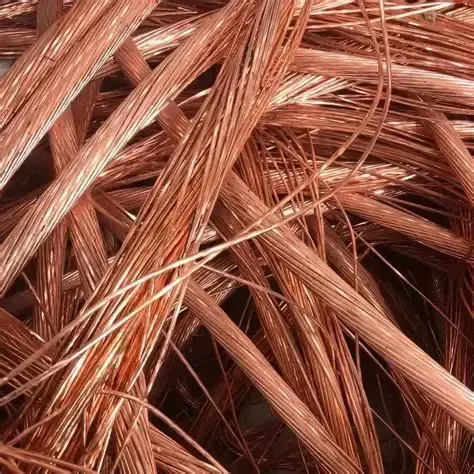
Copper pipe and electrical wire can appear in several forms across the same project. Clean pipe sections, fittings, insulated wire, communication cable, fixtures, and attached components may not all be classified identically.

Keep copper and wire visible and separate from general debris. Smaller pieces should be placed in durable containers that can be moved without spilling material across the site.

Maryland Recycle’s article about copper wire and plumbing scrap provides material-specific preparation guidance for contractors. The company’s copper recycling page also explains the types of copper commonly generated by commercial and residential projects.

When classification is uncertain, bring photographs or call before combining the material.


Occupied properties require more coordination

Recycling work at an occupied apartment building, office, store, school, or managed property may need to accommodate tenants, employees, customers, security teams, and regular deliveries.

The contractor should confirm where scrap can be stored, which entrances may be used, and when vehicles may access the property.

Materials should not be left in areas where they create sharp-edge hazards, unstable piles, or blocked routes. If the site cannot provide secure storage, more frequent transportation may be preferable to allowing scrap to accumulate.

One authorized project contact should coordinate changes to the collection or pickup plan.


Weather and site security can affect storage

Outdoor scrap collection areas may be exposed to rain, wind, mud, vehicle traffic, and unauthorized access.

Lightweight pieces should be secured so they do not scatter. Copper, wire, tools, and smaller nonferrous material may need a controlled storage area rather than an open pile.

The contractor should also keep recyclable metal away from standing water, drainage paths, and unstable surfaces that could make loading difficult.

These site controls protect the workflow and help ensure the material remains organized when it is time to transport or collect it.


Recurring projects benefit from a repeatable routine

Contractors who generate scrap regularly can use each project to improve the next one.

Track which materials appear most often, how quickly storage areas fill, whether crews follow the separation plan, and when transportation becomes necessary.

That information can help determine whether future projects need facility drop-off, scheduled commercial service, a roll-off metal recycling container, or another pickup option.

The goal is to make scrap recycling part of normal project operations instead of treating it as an end-of-job cleanup problem.


Contact Maryland Recycle to confirm materials or request contractor recycling service


Related contractor recycling resources
September 15, 2026
Learn what shapes commercial metal recycling in Baltimore and Rosedale, including material type, volume, sorting, site access and roll-off containers.
By Maryland Recycle August 24, 2026
Learn what copper wire and plumbing scrap Maryland contractors should separate before visiting a recycling center or planning commercial recycling.
By Maryland Recycle August 17, 2026
Recycling Aluminum Siding, Gutters, and Trim From Exterior Projects Aluminum recycling can be a smart step after exterior projects because siding, gutters, trim, fascia pieces, downspouts, and light metal offcuts often come out of the job at the same time. During late-summer repairs, storm updates, exterior renovations, and property cleanups, those materials can quickly get mixed with wood, shingles, plastic, fasteners, packaging, and general debris if crews do not separate them early. For contractors working in Forest Hill, Elkridge, Rosedale, Glen Burnie, Baltimore, and nearby Maryland areas, cleaner sorting can make scrap metal recycling easier before the load reaches the recycling center. The goal is not to slow down the project. The goal is to keep aluminum scrap easy to identify, safer to load, and less likely to get buried in mixed cleanup material. Maryland Recycle helps contractors, property owners, and businesses prepare recyclable metal from exterior projects. If your job includes siding, gutters, trim, or similar aluminum materials, start by reviewing aluminum recycling options and confirm location details before sending a crew. Have aluminum scrap from an exterior project? Call Maryland Recycle before visiting if the load is large, mixed, or unclear. Why Exterior Projects Often Create Aluminum Scrap Exterior projects can produce more aluminum than property owners expect. A siding repair may leave behind old panels or trim pieces. A gutter replacement may include downspouts, elbows, brackets, and lightweight sections. A fascia or soffit update may create short offcuts that look small on their own but add up by the end of the job. This is especially common during late summer, when contractors may be finishing storm-related repairs, preparing properties before fall weather, or replacing exterior materials after months of sun, rain, and humidity. Aluminum can show up in different forms across the same project, so crews need a clear place to put it as it is removed. Should every exterior scrap pile be treated as aluminum? No. Siding, gutters, and trim can include different materials, coatings, attachments, or mixed components. Contractors should identify what they can, separate obvious aluminum, and confirm accepted material requirements before bringing the load in. Keep Siding, Gutters, and Trim Separate When Practical A clean load starts with basic separation. Aluminum siding should not be buried under roofing debris, lumber, plastic wrap, or trash. Gutter sections should be stacked or grouped so they are easier to unload. Trim and smaller offcuts should go into a container or dedicated truck area instead of getting scattered around the jobsite. For crews that work on exterior projects regularly, this simple habit can save time at the end of the day. Instead of sorting through a mixed pile after cleanup, workers can place aluminum scrap in the right area as the job moves forward. If the load includes several metals from the same project, contractors can use Maryland Recycle’s mixed metal load preparation guide for a broader sorting approach through How to Prepare a Mixed Metal Load Before Visiting a Maryland Recycling Center. Watch for Attachments and Mixed Materials Aluminum scrap from exterior work may have screws, nails, sealant, insulation, plastic, rubber, or other attachments. Some items may be easy to prepare, while others may need a quick call before loading. Contractors should not assume that every piece from an exterior project belongs in the same pile. A common question is: do gutters and siding need to be perfectly clean before recycling? The answer depends on the material and current recycling center policies. Obvious trash, wood, cardboard, and debris should be removed when practical, but material-specific requirements should be confirmed before publication or before sending a large load. This is why a preparation routine matters. Crews can remove loose non-metal debris, group similar aluminum pieces, and keep questionable items separate until they are reviewed. That keeps the load cleaner without turning the jobsite into a complicated sorting operation. Aluminum Scrap Should Not Get Buried Under Heavier Metal Exterior jobs may also include steel, copper, brass, wire, fixtures, fasteners, and old equipment pieces. When heavier material is loaded on top of aluminum, smaller pieces can bend, scatter, or disappear into the load. That can make the visit less efficient and increase cleanup time. Aluminum recycling works better when the material stays visible. Downspouts, siding sections, and trim pieces can be placed together. Smaller aluminum scrap can go into a bin, bucket, or bag that will not tear. Heavier steel or mixed scrap can be loaded separately so the aluminum is easier to identify when the truck arrives. Contractors who regularly handle siding, gutters, wire, or fabrication offcuts may also find Maryland Recycle’s trade-focused aluminum guide helpful through Aluminum Recycling for Contractors, Electricians, and Fabricators. Contractor Recycling Works Best With a Jobsite Routine Contractor recycling becomes easier when crews know what to do before the project starts. A simple plan can include one area for aluminum, one area for heavier mixed metal, and a separate trash pile for non-recyclable debris. This keeps valuable material from being treated like general waste. For a siding crew, that may mean stacking panels as they come off the wall. For a gutter crew, it may mean keeping long sections together and placing elbows or smaller fittings in a container. For a renovation contractor, it may mean separating aluminum trim from roofing debris, wood, and demolition waste. What if the project is moving too quickly to sort everything perfectly? Start with the obvious material first. Even separating the cleanest aluminum siding, gutters, and trim from the rest of the debris can make the final load easier to review. For recurring business loads or larger contractor projects, review contractor and commercial recycling support. Choose the Right Maryland Recycle Location Before Visiting Maryland Recycle serves customers across multiple Maryland areas, including Forest Hill, Elkridge, Rosedale, Glen Burnie, and Baltimore. Location choice can depend on the customer profile, material type, load size, and whether the load is retail, contractor, commercial, or larger-scale scrap. Before visiting, contractors should confirm the location that fits the load. This is especially important if the material comes from a larger exterior project, includes mixed scrap, or requires commercial handling. The Baltimore location is identified in Maryland Recycle location references as commercial only, so crews should verify details before sending a driver there. If you are planning to bring in aluminum siding, gutters, trim, or mixed exterior scrap, check Maryland Recycle location information. Why Choose Maryland Recycle for Aluminum Recycling Maryland Recycle helps contractors, homeowners, and businesses recycle aluminum scrap from exterior projects with a practical preparation process. Whether the load includes siding, gutters, trim, downspouts, or mixed metal from a larger cleanup, separating materials before arrival can make recycling easier and more organized. The best approach is straightforward: keep aluminum visible, remove obvious non-metal debris, separate heavier materials when practical, and confirm accepted materials before visiting. This helps crews avoid last-minute sorting and keeps useful metal from getting lost in the cleanup. Preparing aluminum siding, gutters, or trim from an exterior project in Maryland? Call Maryland Recycle today to confirm accepted materials, location details, and the best next step for your load.
MORE BLOGS