Commercial Metal Recycling Programs That Help Businesses Recover Value
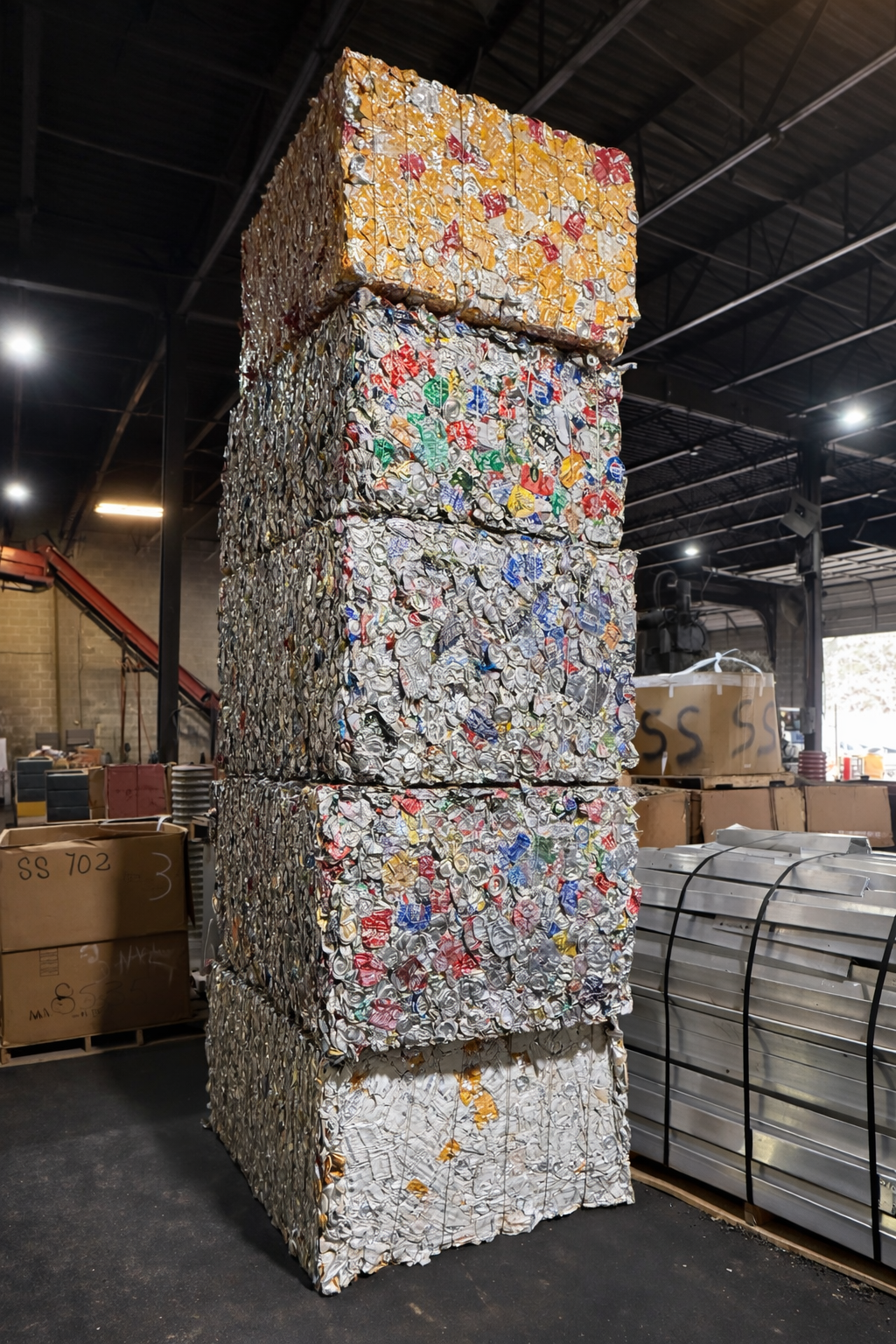
Metal recycling is the process of collecting, sorting, and recycling metal materials so they can be reused instead of sent to the landfill. For Maryland businesses, this can turn everyday scrap from repairs, renovations, maintenance, and production work into a more organized recovery program.
Picture a facility manager walking through a shop at the end of the week. There are copper wire pieces near the electrical area, metal offcuts from repairs, old fixtures from a renovation, and mixed scrap sitting beside a dumpster. None of it feels like a major project by itself. But over time, those small piles can become real value if the business has a clear commercial metal recycling plan.
Maryland Recycle helps businesses, contractors, property managers, and industrial teams create practical recycling solutions for copper recycling, scrap metal recycling, and recurring metal recycling services.
How Metal Recycling Works
A good recycling program starts with a simple question: where does metal scrap show up in your business? For some companies, it comes from renovation projects. For others, it comes from maintenance, equipment repair, electrical work, plumbing updates, or industrial recycling needs.
The process usually works like this:
1. Identify where metal scrap is created.
2. Separate copper, aluminum, steel, brass, and mixed metals when possible.
3. Store scrap in a safe, organized area.
4. Bring materials to a recycling center or schedule service.
5. Review the program regularly so valuable scrap is not missed.
This does not need to be complicated. A contractor may use bins on a job site. A warehouse may keep a designated scrap area. A facility team may collect copper wire and plumbing scrap during routine repairs. The main goal is to stop valuable materials from disappearing into general trash.
Why Copper Recycling Needs Extra Attention
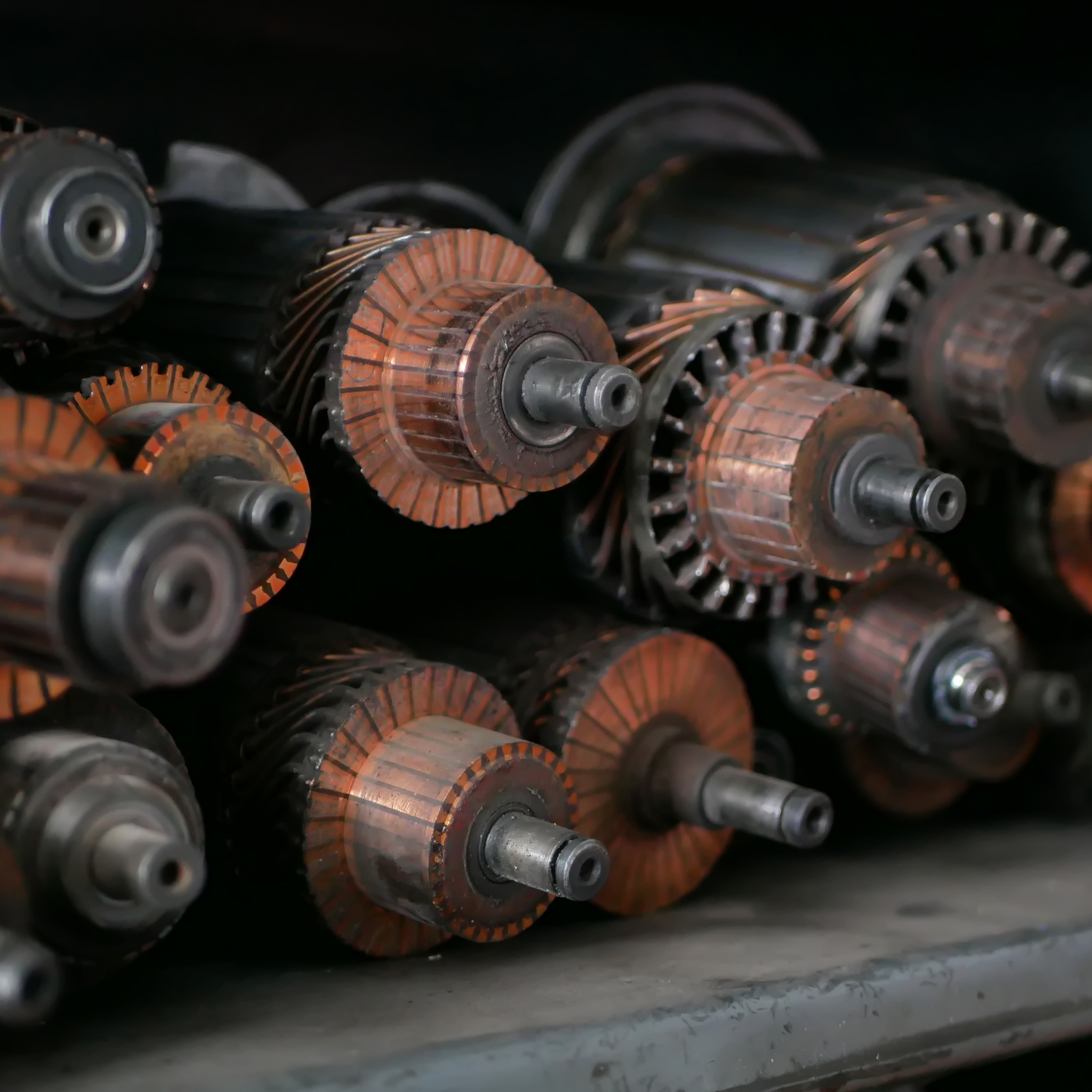
Copper recycling is often one of the most important parts of a business recycling program because copper scrap value can be higher than many other common metals. Copper may come from wiring, pipes, fittings, motors, equipment, and renovation work.
When copper is mixed with trash or lower-value materials, it becomes harder to review. Keeping it separate from the start helps businesses protect value and keeps the scrap metal recycling process cleaner.
Benefits of Metal Recycling in Maryland
For Maryland businesses, commercial metal recycling is about more than clearing out scrap. It helps teams keep work areas cleaner, reduce waste, and recover value from materials that might otherwise be treated like regular debris.
Think about a typical business or contractor workflow. A property renovation may leave behind copper, brass, and steel. A maintenance team may remove old wire, pipe, or fixtures during routine repairs. An industrial operation may create production scrap throughout the week. Separately, these materials may seem like small leftovers. But when they are collected consistently, they can become part of a smarter recycling program.
This is especially helpful for companies that handle scrap across multiple jobs or departments. Instead of letting metal pile up in corners, mix with trash, or get lost during cleanup, businesses can create a clear place for recyclable materials as they are removed. That simple routine makes the job site easier to manage and supports better recycling solutions.
Commercial recycling can also help during larger projects, such as contractor cleanouts or equipment replacement. Mixed job-site scrap, old motors, frames, and metal parts can take up space quickly. When those materials are separated and sent to a recycling center, businesses can reduce clutter while giving useful metal a better path forward.
Have recurring metal scrap at your business? Call Maryland Recycle to ask about metal recycling services in Maryland.
What Materials Can Be Recycled
The materials accepted can depend on the type, condition, and preparation of the scrap, but many businesses generate common recyclable metals during daily operations or project work.
Common recyclable materials may include:
- Copper wire, pipe, fittings, and clean cutoffs
- Aluminum trim, siding, frames, and light metal pieces
- Brass valves, fixtures, connectors, and plumbing parts
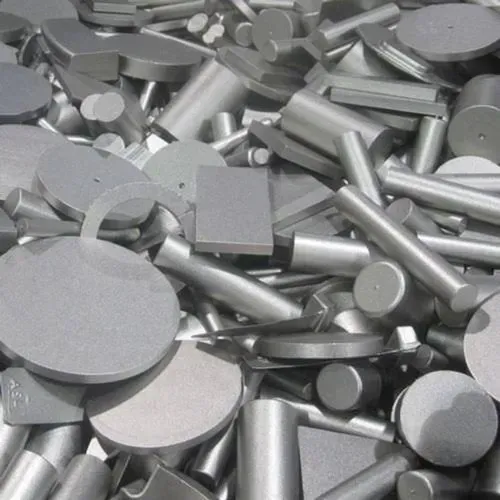
- Steel supports, brackets, shelving, and equipment pieces
- Mixed scrap from renovations, repairs, and maintenance
Copper should usually be kept separate when possible. Brass, aluminum, and steel may also be easier to review when they are not mixed with trash, plastic, cardboard, or construction debris.
When a Business Should Use a Recycling Center
A recycling center can be helpful when a business has mixed materials, recurring scrap, or questions about preparation. Instead of guessing what should be thrown away, a quick call can help the team understand what to separate and how to handle the load.
This is especially useful for businesses that do not recycle every day but still generate metal during repairs, seasonal cleanouts, equipment changes, or renovation projects.
Building a Better Commercial Recycling Program
The best recycling programs are simple enough for employees and crews to follow. If the process is confusing, metal ends up in the wrong place. If the process is clear, recycling becomes part of the normal workflow.
A business can start with three basic habits: set aside a specific area for metal, keep copper separate, and review scrap before it reaches the dumpster. These small habits can make a program easier to manage without slowing down the workday.
For larger operations, Maryland Recycle can help businesses think through recycling solutions that fit the way scrap is actually produced. A contractor may need job-site support. A facility may need regular drop-off planning. An industrial operation may need a more consistent process for recurring materials.
How Maryland Recycle Helps Businesses Recover Value
Maryland Recycle helps businesses turn loose scrap into a more organized metal recycling plan. Whether your company handles copper recycling, renovation scrap, industrial recycling materials, or mixed metal from maintenance work, a clear program can reduce waste and help protect material value.
For many businesses, the biggest opportunity is not one large load. It is the metal that gets overlooked again and again. When those materials are separated and recycled consistently, the business gains a cleaner process and a smarter way to handle scrap.