Commercial Metal Recycling After Renovation Projects: What Contractors Should Do
A renovation project does not end when the last cabinet is installed or the final fixture is replaced. For contractors, one of the most important parts of the job happens during cleanup. Behind the drywall dust, broken materials, and packaging, there is often scrap metal that should not be treated like regular trash.
Commercial metal recycling helps contractors separate valuable metal from renovation debris, keep job sites cleaner, and manage disposal more responsibly. From copper pipes and aluminum trim to steel framing pieces and mixed plumbing scrap, the materials left after a renovation can often be sorted, recycled, and removed through the right metal recycling services.
For contractors working on homes, commercial properties, apartments, or tenant improvements in Maryland, Maryland Recycle can help make scrap handling easier with construction scrap recycling support, scrap metal pickup options, and roll-off recycling containers for larger projects.
Start Thinking About Scrap Before Cleanup Day
The easiest time to manage scrap metal is before the project is finished. Many contractors wait until the end of a renovation to think about disposal, but by then metal is often mixed with drywall, tile, wood, insulation, and trash.
A better approach is to plan for scrap from the beginning. If crews know where to place metal during demolition and installation, it is easier to keep recyclable materials separate.
For example, during a kitchen or bathroom renovation, a crew may remove old copper lines, brass valves, stainless fixtures, aluminum trim, and steel supports. If those items go straight into a general debris pile, they may be harder to recover later. If they are set aside during the workday, the cleanup becomes faster and more organized.
Common Renovation Metals Contractors Should Separate
Renovation scrap can vary depending on the project, but many job sites produce the same types of recyclable metal. Contractors do not need to overcomplicate the process. The goal is to identify the materials that are easiest to separate and keep them out of mixed waste.
Common renovation metals include:
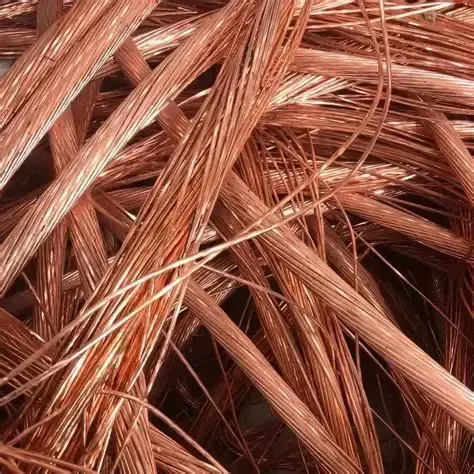
• Copper pipes, wiring, and fittings
• Brass valves, faucets, and plumbing parts
• Aluminum trim, siding, and framing pieces
• Steel beams, studs, brackets, and supports
• Mixed plumbing scrap and metal fixtures
Keeping these materials separate can make commercial metal recycling more efficient and help prevent valuable scrap from being thrown away with general construction debris.
Use a Simple Sorting System on the Job Site
A practical sorting system does not need to slow down the crew. In many cases, it only requires a designated area, a few containers, and clear instructions.
Contractors can keep the process simple:
1. Set up a specific area for metal scrap.
2. Keep copper and brass separate when possible.
3. Place mixed metal fixtures in a separate container.
4. Keep drywall, tile, plastic, and trash out of scrap piles.
5. Schedule pickup or container service before the job site gets crowded.
This helps the crew avoid double handling. Instead of digging through debris at the end of the project, workers can place metal in the right spot as it comes out.
Quick Scrap Sorting Guide for Contractors
| Job Site Material | Better Option | Why It Helps |
|---|---|---|
| Copper pipe and wire | Keep separate | Easier to identify valuable scrap |
| Brass valves and fixtures | Group together | Helps with brass recycling review |
| Steel studs and supports | Stack in one area | Keeps heavy scrap organized |
| Mixed plumbing scrap | Use a dedicated container | Prevents small metal pieces from getting lost |
| Large renovation loads | Use pickup or roll-off service | Reduces job site clutter |
When Scrap Metal Pickup Makes More Sense
Small renovation loads may be easy to bring in, but larger projects are different. Contractors working on multi-room renovations, commercial buildouts, apartment turnovers, or demolition-heavy jobs may not have time to haul scrap themselves.
That is where scrap metal pickup can make the cleanup process more efficient. Instead of sending a crew member away from the job site, contractors can coordinate removal and keep the project moving.
Scrap metal pickup may be helpful when:
• The project produces heavy or bulky metal
• The crew is working on a tight timeline
• The job site has limited storage space
• Metal is being removed over several days
• Multiple trades are producing scrap at once
For busy contractors, time matters. A pickup option can help reduce downtime, keep the site safer, and make the final cleanup less stressful.
Roll-Off Recycling Containers for Larger Renovation Projects
Some projects produce more scrap than a few bins can handle. In those cases, roll-off recycling containers can give contractors a dedicated place for metal throughout the renovation.
A roll-off container is especially useful when metal is removed in stages. For example, a commercial renovation may include demolition one week, plumbing replacement the next, and structural updates after that. Instead of creating multiple piles around the property, the crew can place approved metal scrap directly into the container.
Roll-off recycling containers can help contractors:
- Keep renovation sites cleaner
- Manage heavy scrap safely
- Reduce repeated hauling trips
- Separate metal from general waste
- Support organized construction scrap recycling
Before ordering a container, contractors should confirm what materials are accepted and whether the project requires a specific size or pickup schedule.
How Maryland Recycle Helps Contractors After Renovation Projects
Maryland Recycle helps contractors manage scrap metal after renovation, remodeling, and construction projects. Whether the job produces copper, brass, steel, aluminum, plumbing scrap, or mixed metal materials, the right recycling plan can make cleanup easier.
For contractors, commercial metal recycling is not just about getting rid of leftover material. It is about protecting job site organization, reducing waste, and creating a smoother end-of-project process for the crew and the property owner.
Maryland Recycle can help with metal recycling services, construction scrap recycling, scrap metal pickup, and roll-off recycling containers for larger renovation loads.
FAQs About Commercial Metal Recycling After Renovations
What types of renovation scrap can contractors recycle?
Contractors can often recycle copper pipes, brass valves, aluminum trim, steel supports, metal fixtures, wiring, and mixed plumbing scrap from renovation projects.
When should contractors schedule scrap metal pickup?
Contractors should schedule scrap metal pickup when a renovation produces heavy, bulky, or repeated scrap loads that would take too much time to haul from the job site.
Are roll-off recycling containers useful for renovation projects?
Yes. Roll-off recycling containers are useful for larger renovation projects because they give crews a dedicated place to collect metal scrap as the work progresses.