How to plan roll-off scrap metal container service in Elkridge, MD
Roll-off scrap metal containers can simplify material collection during construction, demolition, equipment replacement, manufacturing, and recurring contractor operations. They give crews a designated place for recyclable metal while reducing the need to arrange transportation for every individual load.
Effective service requires more than selecting a delivery date. The material must be confirmed, the volume estimated, and the placement area evaluated before the container arrives. During the project, crews need clear loading instructions. Pickup, weighing, payment, and possible recurring service must also be coordinated.
Businesses and contractors considering roll-off containers in Elkridge, MD can use this planning timeline to prepare each stage.
Start by identifying the scrap metal
The first conversation should explain what is generating the scrap and which materials the project is expected to produce.
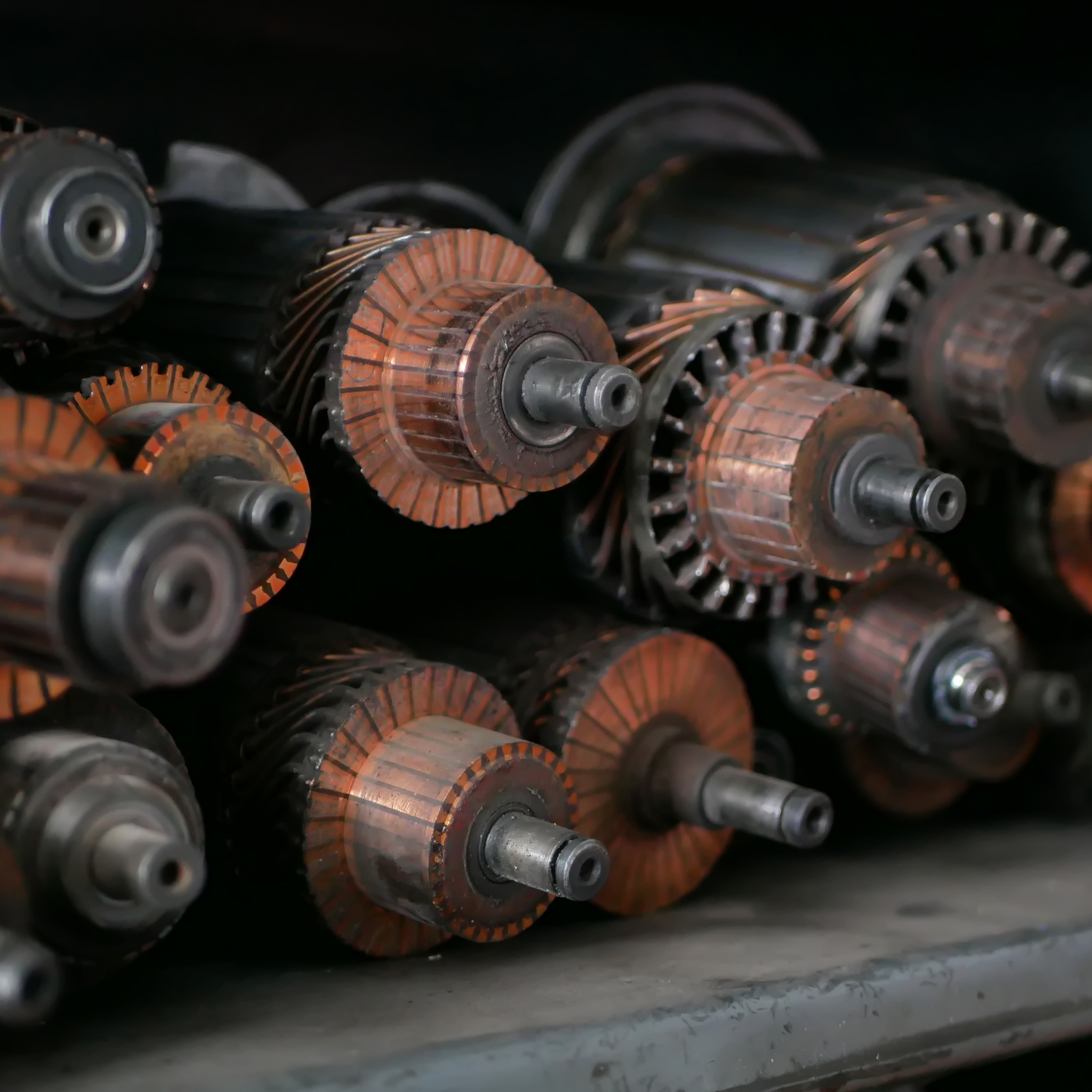
A demolition project may create heavier and less predictable metal than a fabrication shop. HVAC and mechanical contractors may collect units, motors, wire, pipe, fixtures, and mixed components. Manufacturers may produce consistent offcuts over a longer period.
Provide practical information such as:
- Types of metal expected
- Approximate volume or weight
- Largest or heaviest pieces
- Project start and completion dates
- Expected rate of accumulation
- Whether service is temporary or recurring
Photographs can help when materials are mixed, unusually shaped, or difficult to identify. Questionable items should be confirmed before they are placed in the container.
Confirm that a roll-off container fits the project
A roll-off container is generally suited to projects and commercial operations that generate substantial quantities of recyclable metal.
It may not be the best option for every business. A contractor capable of safely transporting smaller loads may prefer facility delivery. A company with qualifying quantities of nonferrous metal may be better served by a mobile box truck pickup.
Maryland Recycle’s roll-off recycling container service supports construction sites, demolition projects, manufacturing facilities, and other operations with larger scrap metal volumes.
The consultation should determine whether the material, expected volume, project duration, and property conditions support roll-off service.
Select the container location before delivery
The container requires an accessible and stable placement area with enough room for the delivery vehicle to enter, position it, and exit safely.
Review the proposed location for:
- Gates and narrow access points
- Parked vehicles and loading zones
- Employee or customer traffic
- Overhead clearances
- Utility lines and other equipment
- Surface and drainage conditions
- Property-management restrictions
The placement should support the job without blocking emergency routes, deliveries, customer access, or normal business operations.
If the site is leased or professionally managed, confirm whether approval or specific documentation is required before scheduling delivery.
Planning a contractor scrap recycling project in Elkridge?
Contact Maryland Recycle to confirm your materials, anticipated volume, schedule, and proposed container location.
Coordinate the delivery details
Before delivery, designate one site contact who can verify the placement area and answer questions.
The business should confirm the expected delivery period, access instructions, approved materials, and who is authorized to request pickup or replacement.
Employees, subcontractors, and other crews should receive the same instructions. A roll-off recycling container is intended for approved metal—not general construction waste simply because the container is available. Clear responsibility at the start helps prevent delays, contamination, and confusion during pickup.
Keep contractor scrap organized during the project
Once the container is delivered, the active collection stage begins.
Place approved metal inside without allowing pieces to extend beyond safe container boundaries. Do not add trash, wood, concrete, liquids, sealed components, or unidentified materials without first confirming acceptance.
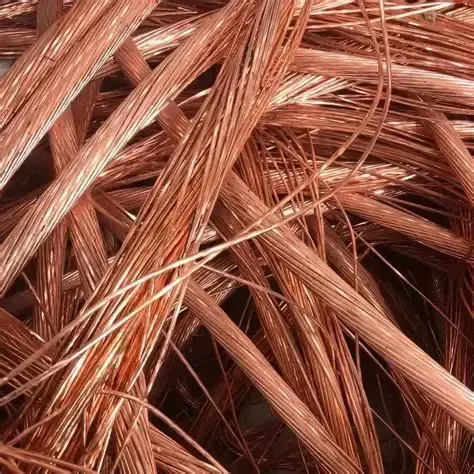
When a project produces several metals, ask whether separating certain materials would make identification and processing easier. Contractors may establish collection points for copper, aluminum, brass, steel, wire, or smaller components before transferring approved items to the main container.
Maryland Recycle’s commercial metal recycling services support contractors, manufacturers, fabricators, mechanical shops, electrical contractors, and other businesses generating recurring scrap.
Monitor the container and project schedule
Do not wait until the container interferes with safe loading or the surrounding work area before discussing pickup.
The designated site contact should monitor how quickly material accumulates and whether the actual volume matches the original estimate. If production increases or the construction schedule changes, notify Maryland Recycle.
A short-term contractor project may coordinate pickup with demolition, equipment removal, or project completion. Recurring commercial operations can track how long it normally takes to fill the container and use that information to establish a more predictable service schedule.
This reduces the risk of scrap accumulating elsewhere while the business waits for removal.
Prepare the site for container pickup
Before pickup, make sure the vehicle route and container area are accessible.
Move parked vehicles, equipment, stored materials, and temporary barriers that could interfere with removal. Check that the container contains only approved materials and that nothing prevents it from being handled safely.
If unexpected material entered the container, contact Maryland Recycle before the scheduled pickup. Addressing the issue in advance is more efficient than waiting for the driver to discover it on site.
If work will continue, confirm whether the full container will be replaced with an empty one and how that timing connects with the project schedule.
Understand weighing and payment
Maryland Recycle explains that completed roll-off loads are picked up, weighed, and processed, with payment determined by the scrap metal and applicable service arrangement.
The final result may depend on material classification, weight, preparation, current market conditions, and service costs. An early estimate should not automatically be treated as the final payment amount.
Businesses should confirm how weight information, applicable fees, and payment records will be provided. These records can also help contractors and commercial operations evaluate the results of recurring recycling service.
Review the service before the next project
Project completion provides useful information for the next container.
Consider whether the placement area worked, crews followed the loading instructions, pickup occurred at the right time, and the original volume estimate was accurate.
A recurring customer may use that information to improve jobsite separation, change the container location, or establish a regular pickup schedule. The goal is to make contractor scrap recycling part of the normal workflow instead of a last-minute cleanup task.
Contact Maryland Recycle to confirm materials or request roll-off container service
Related scrap metal recycling resources