Scrap Metal Recycling Guide: What You Can Sell and How to Get Paid
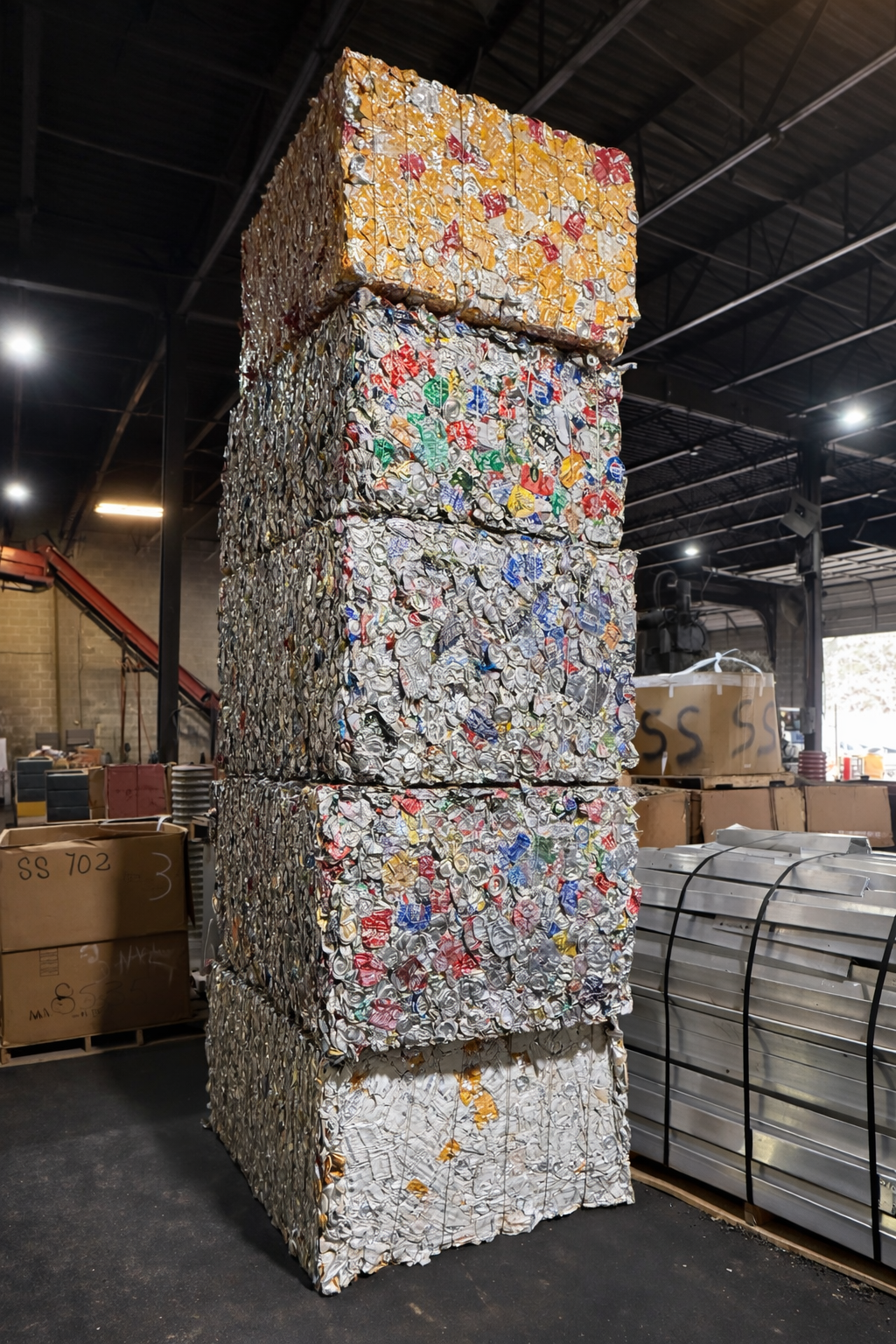
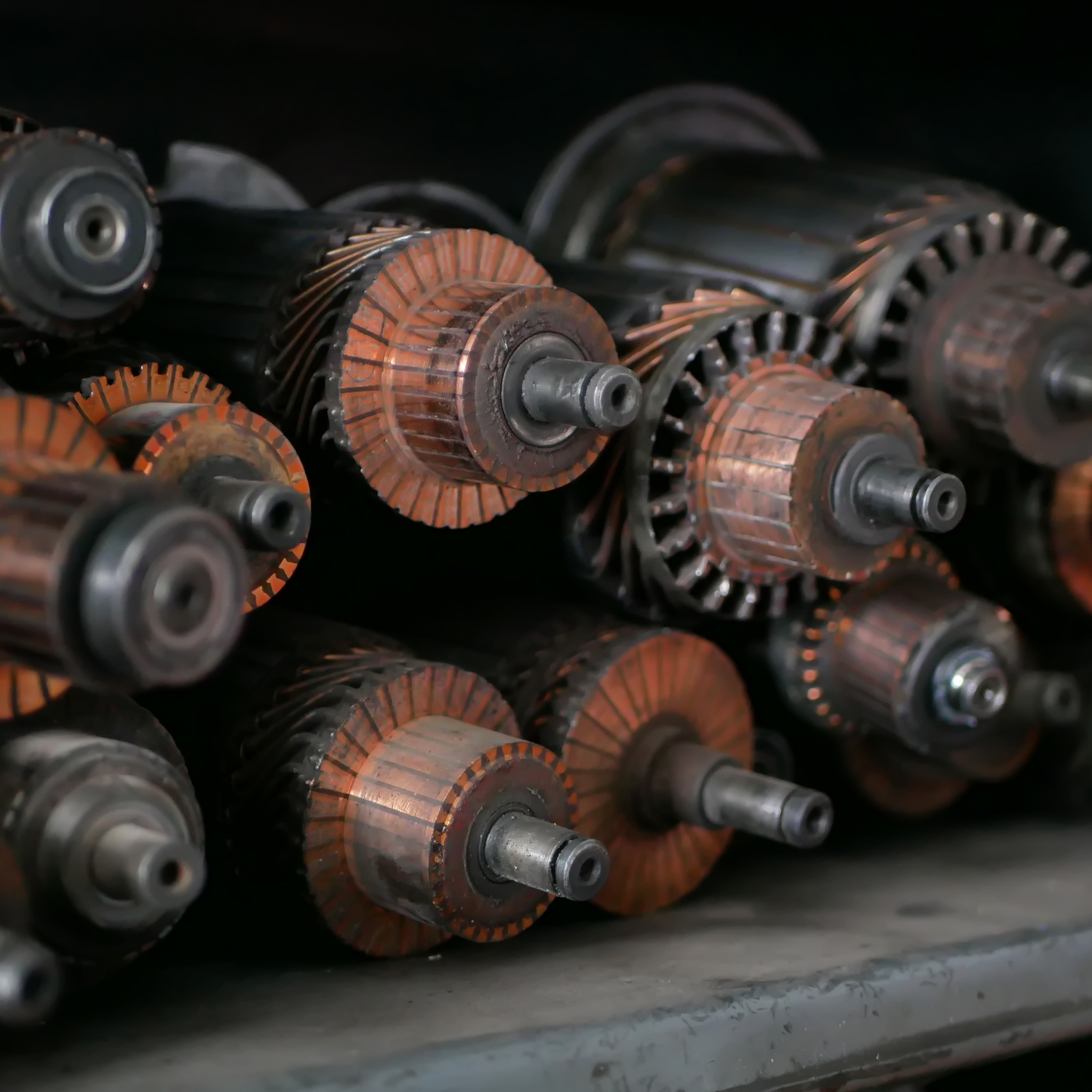
Scrap metal recycling is the process of collecting, sorting, and selling recyclable metals so they can be processed and reused instead of going to waste. In Maryland, homeowners, contractors, businesses, and industrial facilities can sell scrap metal through a local scrap yard and recover value from materials such as copper, aluminum, brass, steel, iron, appliances, wiring, and construction scrap.
If you want to understand what you can sell, how scrap metal prices are determined, and how to prepare your materials before visiting a scrap yard, this guide explains the basics in a simple, practical way.
Call Maryland Recycling today or request service information to learn how our metal recycling services can help you sell scrap metal responsibly.
How Metal Recycling Works
Metal recycling follows a clear process that helps scrap yards identify, sort, weigh, and prepare metals for reuse. The better your materials are separated and prepared, the smoother the recycling process usually is.
1. Collect Your Scrap Metal
The first step is gathering recyclable metal from your home, job site, business, warehouse, or facility. Scrap metal may come from renovation projects, equipment replacement, plumbing work, electrical jobs, cleanouts, or manufacturing operations.
Common sources include:
· Construction and demolition projects
· Home renovations and garage cleanouts
· Plumbing and electrical work
· HVAC replacement projects
· Appliance removal
· Auto repair shops
· Commercial properties
· Industrial facilities
2. Separate Materials by Type
Before visiting a scrap yard, separate metals when possible. Different metals have different values, and clean separation can make the process faster.
Materials are often grouped into:
· Copper
· Aluminum
· Brass
· Stainless steel
· Steel and iron
· Insulated wire
· Appliances
· Mixed metal items
Separating higher-value metals from mixed scrap can help the scrap yard identify your materials more accurately.
3. Bring Materials to the Scrap Yard
Once your scrap metal is organized, you can bring it to a local scrap yard in Maryland. The scrap yard team may inspect the material, confirm the type of metal, and direct you through the drop-off or weighing process.
For larger loads, commercial scrap, or contractor materials, it is a good idea to call ahead and ask about accepted items, preparation requirements, and service options.
4. Weighing and Material Review
Scrap metal is typically weighed before payment is calculated. The weight, type, condition, and category of metal can all affect the final value.
The review may include:
· Identifying the metal type
· Checking for mixed or contaminated materials
· Weighing the load
· Separating higher-value metals from lower-value scrap
· Confirming current scrap metal prices
5. Get Paid for Eligible Scrap Metal
After your materials are reviewed and weighed, payment is based on the scrap yard’s process and the type of metal you bring in. Scrap metal prices can change based on market demand, material type, quality, and weight.
Ready to sell scrap metal in Maryland?
Call Maryland Recycling today or
visit our services page to learn what materials may be accepted.
Benefits of Metal Recycling in Maryland
Metal recycling in Maryland provides important environmental, economic, and practical benefits. Instead of letting reusable materials take up space in landfills, scrap metal recycling helps conserve resources and support a cleaner local recycling system.
Environmental Benefits
Metal recycling helps reduce waste and lowers the need for mining new raw materials. This supports better resource conservation and reduces the environmental impact connected to new metal production.
Key environmental benefits include:
· Less landfill waste
· Reduced demand for raw material extraction
· Lower energy use compared to producing new metal
· Better reuse of existing resources
· Cleaner job sites, homes, and commercial properties
Local Business and Contractor Benefits
For contractors, electricians, plumbers, remodelers, property managers, and business owners, metal recycling services can make cleanup easier and more organized.
Local benefits include:
· Easier disposal of job site scrap
· Better handling of reusable materials
· Cleaner work areas
· More organized renovation and demolition projects
· Support for responsible business practices in Maryland
Financial and Practical Value
Many types of scrap metal have recyclable value. By taking metal to a scrap yard in Maryland, customers may be able to recover value from materials that would otherwise be considered waste.
This is especially useful for:
· Copper wire and piping
· Aluminum materials
· Brass fixtures
· Stainless steel
· Appliances
· Machinery parts
· Construction scrap
Have scrap metal ready to recycle? Call Maryland Recycling today or visit our services page to learn how to prepare your materials.
What Materials Can Be Recycled
Many everyday and job site materials can be recycled through professional metal recycling services. The exact materials accepted may vary, so it is always best to check with the scrap yard before bringing in large or mixed loads.
Common Ferrous Metals
Ferrous metals contain iron and are often magnetic. These materials are commonly found in construction, machinery, appliances, and structural components.
Examples include:
· Steel
· Iron
· Cast iron
· Sheet metal
· Metal beams
· Rebar
· Steel appliances
· Auto parts
Common Non-Ferrous Metals
Non-ferrous metals do not contain iron and are often more resistant to corrosion. These metals are commonly used in electrical, plumbing, roofing, HVAC, and manufacturing work.
Examples include:
· Copper
· Aluminum
· Brass
· Stainless steel
· Bronze
· Lead
· Insulated copper wire
· Aluminum siding
· Radiators
Household, Commercial, and Job Site Scrap
Metal recycling can also include a wide range of mixed materials from homes, businesses, and construction projects.
Common recyclable items include:
· Appliances
· Water heaters
· HVAC parts
· Electrical wire
· Plumbing pipes
· Metal doors
· Metal shelving
· Gutters and downspouts
· Metal furniture
· Machinery and equipment parts
Benefits of Metal Recycling in Maryland
Scrap metal recycling in Maryland provides practical, environmental, and financial benefits. It helps keep reusable materials out of landfills while giving homeowners, contractors, and businesses a better way to handle unwanted metal.
Local Environmental Benefits
Metal recycling supports cleaner waste management by reducing the amount of usable material that ends up in landfills. It also helps reduce the need for new raw material extraction.
Important environmental benefits include:
· Less landfill waste
· Better reuse of existing materials
· Lower demand for mining new metals
· Reduced waste from construction and renovation projects
· Cleaner properties, job sites, and commercial spaces
Benefits for Contractors and Businesses
For contractors, electricians, plumbers, remodelers, property managers, and business owners, metal recycling services can make cleanup more organized and efficient.
Local business benefits include:
· Easier job site cleanup
· Better handling of metal waste
· Recovery value from recyclable materials
· More organized demolition and renovation projects
· Support for responsible disposal practices
Financial Value from Scrap Metal
Many recyclable metals have resale value. While prices can vary, metals such as copper, brass, aluminum, stainless steel, and insulated wire are commonly brought to scrap yards because they may offer better value than mixed metal waste.
Factors that can affect scrap metal prices include:
· Metal type
· Weight
· Cleanliness
· Market conditions
· Material grade
· Whether the metal is separated or mixed
·
Demand for recyclable materials
What Materials Can Be Recycled
A wide range of household, commercial, and job site materials can be recycled. Accepted materials may vary by scrap yard, so customers should always confirm before bringing in large or unusual items.
Common Metals You Can Sell
Many scrap yards accept both ferrous and non-ferrous metals. Ferrous metals contain iron and are often magnetic. Non-ferrous metals do not contain iron and are often more valuable.
Common recyclable metals include:
· Copper
· Aluminum
· Brass
· Stainless steel
· Steel
· Iron
· Bronze
· Lead
· Insulated copper wire
· Cast iron
Household Scrap Metal
Homeowners may have recyclable metal from repairs, cleanouts, appliance upgrades, or remodeling projects.
Common household items include:
· Old appliances
· Metal shelving
· Aluminum siding
· Gutters and downspouts
· Water heaters
· Metal furniture
· Copper pipes
· Electrical wiring
· Tools and hardware
· Metal doors or fixtures
Construction and Commercial Scrap
Contractors and businesses often generate larger amounts of recyclable metal. These materials can be sorted and brought to a scrap yard as part of a more organized recycling plan.
Common commercial and job site scrap includes:
· Rebar
· Steel beams
· Sheet metal
· HVAC parts
· Electrical wire
· Plumbing materials
· Metal roofing pieces
· Machinery parts
· Commercial fixtures
· Manufacturing scrap
How Scrap Metal Prices Are Determined
Scrap metal prices are not the same for every material. A small amount of copper may be worth more than a larger amount of low-grade mixed metal because each material has a different recycling value.
Metal Type
The type of metal is one of the biggest pricing factors. Non-ferrous metals such as copper, aluminum, brass, and stainless steel often have different values than ferrous metals such as iron and steel.
Weight and Volume
Scrap metal is usually weighed, so heavier loads may have more value depending on the material type. However, weight alone does not determine the final amount. Metal quality and category also matter.
Cleanliness and Preparation
Clean, separated materials are often easier to process than mixed or contaminated scrap. Removing non-metal materials and separating metals by type can make the process more efficient.
Market Conditions
Scrap metal prices can change based on demand, supply, and broader market conditions. Because prices move over time, it is helpful to call the scrap yard before bringing in materials if you want current information.
How to Prepare Scrap Metal Before You Sell It
Preparing your materials before visiting a scrap yard can save time and help the recycling process move more smoothly.
Use this checklist before selling scrap metal:
1. Sort metals by type when possible.
2. Keep copper, aluminum, brass, and stainless steel separate.
3. Remove obvious trash, plastic, rubber, or non-metal materials.
4. Separate insulated wire from other scrap.
5. Call ahead about appliances, large equipment, or mixed loads.
6. Bring materials safely and securely.
7. Ask the scrap yard about payment requirements or identification needs.
8. Follow all on-site safety instructions.
A little preparation can help you avoid confusion and make the visit easier.
Why Choose Maryland Recycling for Metal Recycling Services
Maryland Recycling helps homeowners, contractors, businesses, and commercial customers recycle scrap metal in a more organized and responsible way. Whether you are cleaning out a property, handling job site scrap, or looking for metal recycling services for ongoing needs, working with a local scrap yard can make the process easier.
Maryland Recycling can help with:
· Scrap metal recycling guidance
· Support for common recyclable metals
· Material sorting information
· Scrap yard services for Maryland customers
· Recycling options for homes, businesses, and contractors
· Responsible handling of ferrous and non-ferrous metals
Selling scrap metal should feel clear, practical, and efficient. A local recycling partner can help you understand what materials to bring, how the recycling process works, and how to prepare your load before arriving.
Call Maryland Recycling today or request service information to learn more about selling scrap metal and using our metal recycling services.
FAQs About Selling Scrap Metal in Maryland
What is scrap metal recycling?
Scrap metal recycling is the process of collecting, sorting, processing, and reusing metal materials instead of sending them to a landfill. It allows materials such as copper, aluminum, brass, steel, iron, and stainless steel to be used again in new products.
Why is metal recycling important?
Metal recycling is important because it reduces landfill waste, conserves natural resources, supports cleaner job sites and properties, and helps recover value from materials that might otherwise be thrown away.
What metals can usually be sold to a scrap yard?
Common metals that can often be sold to a scrap yard include copper, aluminum, brass, stainless steel, steel, iron, insulated copper wire, cast iron, appliances, pipes, siding, and construction scrap.