Why Copper Recycling Remains One of the Most Valuable Opportunities
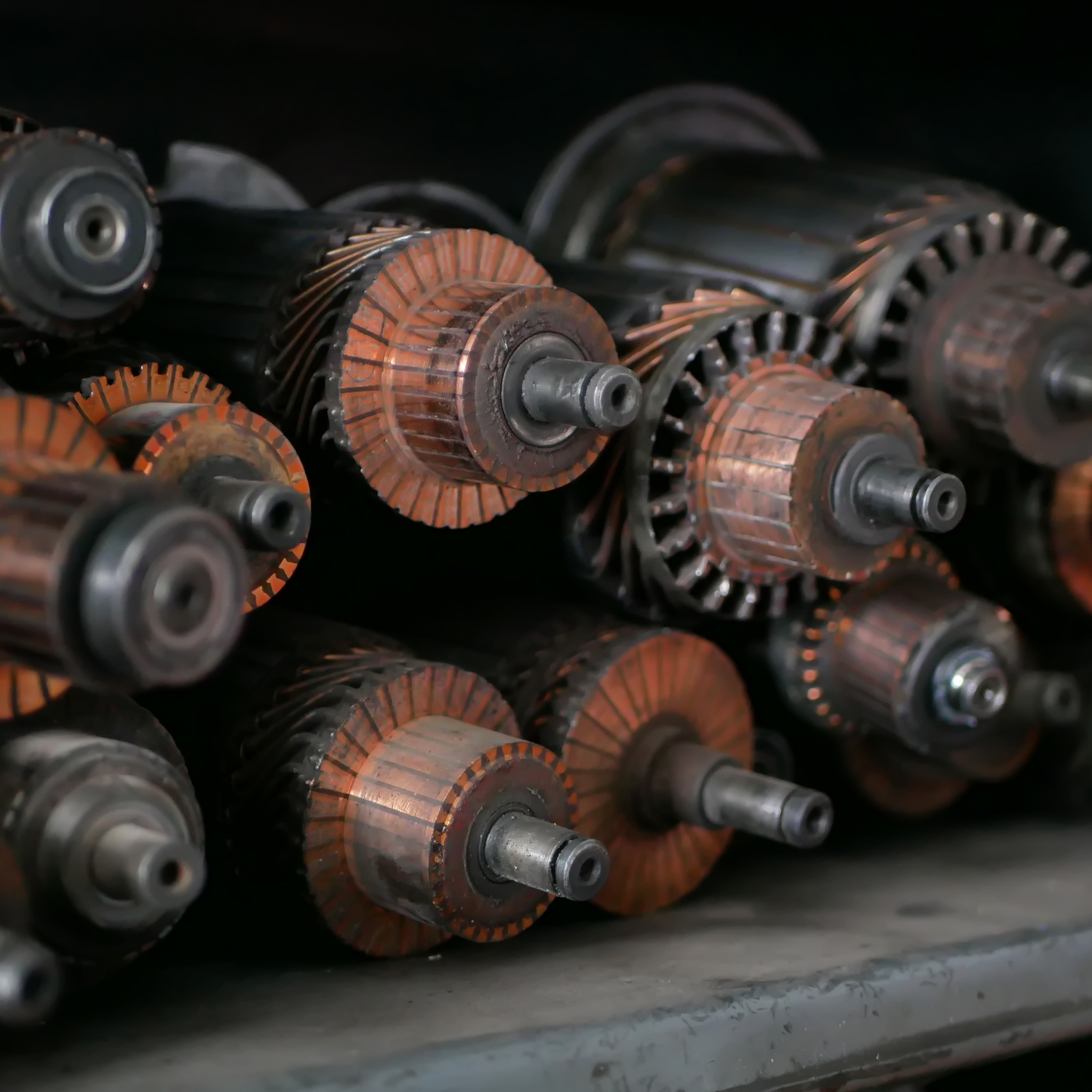
Copper recycling is the process of collecting, sorting, and recycling copper scrap so it can be reused instead of thrown away. In Maryland, this matters for homeowners, property managers, contractors, plumbers, electricians, and businesses that often remove copper during repairs, renovations, and equipment upgrades.
Think about a property owner updating an older home. The walls are opened, the plumbing is replaced, and the electrical work is upgraded. At the end of the project, there may be copper pipes, wiring, fittings, and leftover pieces sitting in a pile. To some people, it looks like job-site clutter. To a recycling center, it may be one of the most important materials to separate.
Because copper holds strong reuse value, copper recycling remains a smart opportunity for anyone handling renovation debris, plumbing scrap, electrical scrap, or commercial recycling loads in Maryland.
Call Maryland Recycle today or visit our metal recycling services page to learn how to recycle copper scrap from your next project.
How Metal Recycling Works
Metal recycling starts before the material ever reaches the recycling center. The best results usually come from separating copper early, before it gets mixed with wood, drywall, plastic, or general trash.
Here is the basic process:
1. Collect copper scrap from the project or property.
2. Separate copper from other metals and debris when possible.
3. Bring the material to a recycling center or arrange service if needed.
4. The scrap is reviewed, sorted, and prepared for recycling.
5. Recycled copper can be processed for future manufacturing and reuse.
For a homeowner, this might be as simple as keeping removed copper pipes in one bucket during a bathroom renovation. For a contractor, it may mean setting up a dedicated scrap area on the job site so copper wiring and pipe cutoffs do not get lost in mixed construction debris.
The cleaner and more organized the material is, the easier the scrap metal recycling process becomes.
Why Sorting Copper Matters
Copper scrap value can be affected by how the material is prepared. Clean copper that is kept separate is easier to review than copper mixed with trash, insulation, or lower-value metals.
A simple sorting habit can make a difference:
- Keep copper pipe separate from steel or aluminum.
- Remove obvious non-metal debris when practical.
- Set aside copper wiring instead of tossing it into trash bags.
- Avoid mixing copper with drywall, tile, or wood.
- Ask Maryland Recycle if you are unsure how to prepare a load.
Benefits of Metal Recycling in Maryland
Copper recycling is not only about clearing space after a project. For many Maryland property owners, contractors, and businesses, it is a simple way to keep valuable material from getting lost in the cleanup.
Think about a typical renovation. A plumber removes old copper pipes from a bathroom. An electrician replaces outdated wiring. A remodeling crew opens a wall and finds copper, brass, and mixed metal pieces that no one really noticed before. At first, it all looks like job-site debris. But when those materials are separated early, they become part of a smarter metal recycling process instead of ending up in a dumpster.
This is especially useful for contractors who collect scrap across several jobs. One small pile of copper may not feel like much, but repeated plumbing repairs, electrical upgrades, and renovation projects can add up quickly. Having a clear place to set aside copper scrap helps crews stay organized and makes recycling easier at the end of the week or project.
For Maryland businesses, commercial recycling can also make daily operations cleaner. Instead of letting scrap sit in corners or mix with trash, teams can create a simple routine for collecting metal materials as they appear. That habit helps reduce waste, protect copper scrap value, and keep useful materials moving toward reuse.
What Materials Can Be Recycled
Copper can show up in more places than many property owners expect. It is often used because it is durable, conductive, and common in building systems.
Common copper recycling materials include:
- Copper pipes from plumbing repairs
- Copper wiring from electrical work
- Copper fittings and connectors
- Copper tubing from HVAC or mechanical work
- Clean copper cutoffs from renovation projects
Some projects may also include brass, aluminum, steel, and mixed metals. Those materials may be recyclable too, but copper should usually be kept separate when possible because it is often one of the more valuable materials in the pile.
When to Ask a Recycling Center First
If you are not sure whether something is copper, do not throw it away too quickly. A recycling center can help identify common materials and explain how they should be separated.
This is especially helpful when materials are mixed, coated, attached to fixtures, or removed from older buildings. A quick question before cleanup can save useful metal from being lost in the trash.
How Maryland Recycle Helps With Copper Scrap
Maryland Recycle helps homeowners, contractors, and businesses recycle copper scrap and other metals from renovation, repair, and cleanout projects. Whether the load comes from a small home update or a commercial recycling need, separating copper can make the process easier and more worthwhile.
If your project includes copper pipes, wiring, fittings, or plumbing scrap, do not wait until everything is mixed in a dumpster. Set the copper aside, keep it clean when possible, and contact Maryland Recycle for guidance.